 how-to
Preventing Termite Damage in Wood Pergolas
Last Updated: October 22, 2026
Quick Summary
Preventing termite damage requires eliminating ground contact by keeping wooden posts at least 6 inches above soil, controlling moisture through proper drainage and ventilation, selecting termite-resistant wood species like cedar or pressure-treated lumber, and installing physical barriers such as metal flashing or mesh at post bases.
- Keep wooden pergola posts elevated at least 6 inches above ground using concrete footings or piers.
- Subterranean termites are the most destructive species and tunnel from soil into wood structures.
- Cedar, redwood, and pressure-treated wood naturally resist termites better than untreated pine and softwoods.
- Watch for mud tubes on posts, hollow-sounding wood, and fine sawdust-like frass as signs of active termite activity.
- Inspect your pergola at least twice yearly, focusing on post bases, end grain, joints, and areas with poor drainage.
Table of Contents
- Why Termites Target Wood Pergolas
- Termite Signs in Wood Structures You Should Know
- How to Protect Wood from Termites: Foundation Steps
- Termite-Resistant Wood for Pergolas: Material Selection
- Protective Barriers and Treatment Options
- Termite Inspection Checklist for Outdoor Structures
- When to Call a Professional
- Frequently Asked Questions
Why Termites Target Wood Pergolas
Wood pergolas are attractive to homeowners and to termites, which consume wood as their primary food source. A pergola in your backyard is an open invitation.
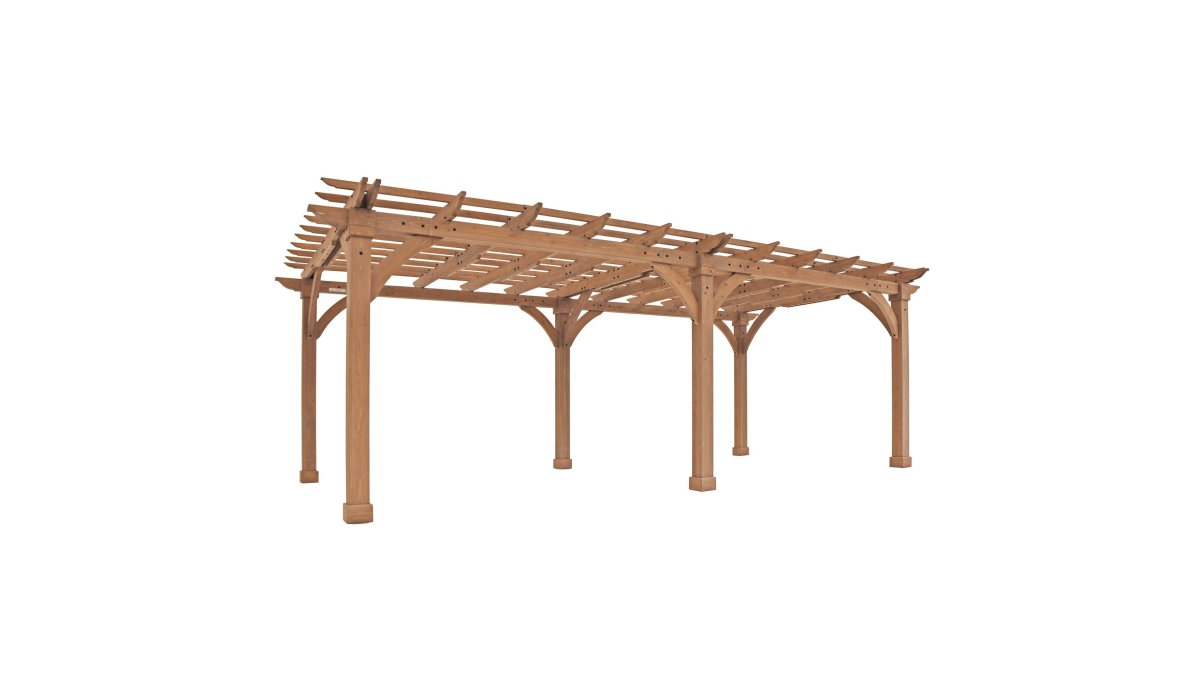
Pergolas are vulnerable for three reasons: wood exposure, moisture, and proximity to soil. Unlike interior framing, a pergola sits outdoors year-round absorbing rain and humidity. Most importantly, many have direct ground contact through their posts, creating a highway for subterranean termites to travel from soil into the structure.
Subterranean termites are the most destructive species in the country (Subterranean termites - their prevention and control in buildings).

Termite Signs in Wood Structures You Should Know
Catching termite activity early prevents major structural problems, but termites work inside the wood, so visible damage often means the infestation is already established.
Watch for these warning signs:
- Mud tubes on or around wooden posts and beams
- Hollow-sounding wood when tapped with a tool
- Visible tunnels or galleries inside wood when you inspect closely
- Sagging or warped wood that wasn't damaged before
- Soft spots in wood that crumble easily under pressure
Mud tubes are the clearest sign of subterranean termite activity. Termites build them from soil and saliva to protect themselves while traveling between colony and wood. If you see mud tubes on your pergola posts, termite activity is happening right now.
How to Protect Wood from Termites: Foundation Steps
Preventing termite damage requires a multi-layered approach. No single step provides complete protection, but combining strategies dramatically reduces your risk.
Eliminate Ground Contact
The most effective prevention starts with construction. Termites need a pathway from soil to wood, and direct contact gives them exactly that.
When installing a pergola, keep wooden posts elevated at least 6 inches above the ground. Use concrete footings or piers to support the structure instead of setting posts directly in soil. This physical separation breaks the termite highway.
If your existing pergola has posts in ground contact, consider these options:
- Install concrete pads or gravel barriers under the posts
- Replace the lower section of affected posts with pressure-treated wood or concrete
- Dig out soil around posts and install metal barriers between wood and earth
Even better: use concrete posts or metal supports for the foundation. They're immune to termite damage and last indefinitely.
Control Moisture Around Your Pergola
Moisture is termites' best friend. Damp wood is softer, easier to penetrate, and more attractive than dry wood.
Manage moisture by:
- Ensuring proper drainage around the pergola base
- Keeping gutters and downspouts clear so water doesn't pool
- Trimming vegetation to improve air circulation
- Installing a gravel or mulch barrier that slopes away from posts
- Avoiding sprinkler spray that hits wooden supports directly
If your pergola sits in a damp or heavily shaded area, moisture control becomes even more critical. Poor drainage and high humidity create ideal conditions for both termites and wood rot.
Termite-Resistant Wood for Pergolas: Material Selection
The wood you choose significantly affects termite risk. Some species naturally resist termite attack; others are highly susceptible.
Cedar and redwood contain natural oils that deter termites. They cost more than standard pressure-treated lumber, but their natural resistance provides long-term protection.
Pressure-treated wood is infused with chemical preservatives that protect against termites and rot.
Tropical hardwoods like teak and ipe are extremely dense and naturally resistant to termites.
At Backyard Comfort CO, our wood pergolas are built from materials selected specifically for outdoor durability. Our cedar and pressure-treated options are designed to withstand termite pressure while maintaining the aesthetic appeal homeowners want in their outdoor spaces.

Protective Barriers and Treatment Options
Barriers and treatments work best when matched to the pergola's construction and local termite pressure.
Physical barriers block termites rather than repel them. Common choices for pergolas include:
- Metal flashing or shields installed at the post-to-footing connection. These prevent termites from finding hidden pathways between concrete and wood.
- Stainless steel mesh (often called termite mesh) wrapped around post bases or placed in the soil-to-structure gap. The mesh openings are too small for termites to pass through.
- Gravel or crushed stone barriers under and around posts. Termites cannot easily tunnel through properly graded gravel, and it improves drainage at the same time.
Physical barriers work best when installed during construction.
Chemical barriers create a treated zone in the soil or on the wood that termites avoid or contact and die. For pergolas, the two common approaches are:
- Soil-applied liquid termiticides around post footings and the perimeter. These are typically applied by licensed pest control professionals and may need reapplication every few years depending on the product and soil conditions.
- Wood preservatives and borate treatments applied to the lumber itself. Borates penetrate wood and are toxic to termites and wood-boring beetles when ingested (Termite Resistance of MDF Panels Treated with Various Boron Compounds). They work best on new, untreated wood before installation or on exposed cut ends and joints during construction.
Surface sealers and stains are not termite treatments.
Natural and lower-toxicity options include orange oil (d-limonene) and certain botanical products.
How to choose:
- New construction: combine a physical barrier at post bases with borate-treated cut ends and a resistant wood species.
- Existing pergola with no signs of termites: focus on moisture control, annual inspection, and a soil-applied barrier if local termite pressure is high.
- Existing pergola with active termites: do not rely on surface sprays. Call a licensed professional for a proper assessment and treatment plan.
Termite damage vs. rot vs. other insects:
Not every soft spot is termites. Distinguishing the cause matters because the response differs.
- Termite damage: hollow galleries, mud tubes, frass that looks like fine sawdust or pellets, and wood that sounds hollow but may look intact on the surface. Subterranean termites usually leave mud tubes; drywood termites push frass out of small holes.
- Rot: soft, crumbly, stringy wood, often with fungal growth, musty smell, or visible discoloration. Rot is a moisture problem first and a pest problem second.
- Carpenter ants: clean, smooth tunnels in wood, often with sawdust-like frass nearby. They do not eat wood; they excavate it.
- Carpenter bees: perfectly round entry holes about half an inch across, with sawdust below. They tunnel into wood but do not eat it.
- Wood-boring beetles: small exit holes, fine powdery frass, and sometimes a tapping sound inside the wood.
If you find mud tubes or hollow galleries, treat it as termites until a professional says otherwise.
Termite Inspection Checklist for Outdoor Structures
A pergola is not a house. Its inspection points differ, and a generic property walkaround will miss where termites actually get in. Use this pergola-specific checklist at least twice a year, early spring before swarm season and early fall before winter rains, and after any major storm or long wet spell.
Where to inspect on a wood pergola:

- Post bases and ground contact points. Look for mud tubes, soil buildup, or wood that stays damp where the post meets concrete, gravel, or soil. This is the single highest-risk location on most pergolas.
- End grain. Exposed cut ends of posts, beams, and rafters absorb water faster than face grain and are common entry points. Check for softness, cracking, or discoloration.
- Joints and connections. Where beams meet posts, where rafters cross purlins, and where hardware penetrates wood. Water collects in these crevices, and termites follow the moisture.
- Fasteners and hardware. Bolts, brackets, and screws can hide moisture and corrosion. Loosen or probe around them if you suspect trouble.
- Shaded and damp areas. The north side of the structure, areas under dense vegetation, and any section that stays wet after rain. Termites prefer these microclimates.
How to inspect, not just look:
- Tap wood with the handle of a screwdriver or a small hammer. A dull, hollow thud suggests internal damage.
- Probe suspect areas with a screwdriver or a stiff wire. If the tip sinks in easily, the wood is soft.
- Press a fingernail into end grain and joints. Healthy wood resists; damaged wood gives.
- Take photos of each inspection point every time. Comparing photos season to season is the most reliable way to catch slow changes.
When to Call a Professional
Some situations require professional pest control expertise. Know when to bring in specialists.
Call a professional termite inspector if you:
- Discover mud tubes or visible termite activity
- Find soft or hollow wood that suggests active feeding
- Notice signs of termites in other structures on your property
- Live in an area with known high termite pressure
- Haven't had a professional inspection in more than three years
- Are buying a home with an existing pergola or outdoor structures
A professional termite inspection provides peace of mind. Inspectors can identify early-stage infestations you might miss and recommend treatment if needed.
Professional treatments range from localized spot treatments to full perimeter barriers, depending on the extent of the problem and method used.
Wood pergolas create beautiful outdoor spaces that enhance your backyard for years.
Frequently Asked Questions
How often should I inspect a wood pergola for termites?
Inspect your wood pergola at least twice per year, ideally in spring and fall. In regions with high termite activity, increase inspections to quarterly. Look for mud tubes, hollow-sounding wood, or visible damage. Early detection prevents major structural issues. If you spot warning signs, contact a pest control professional immediately.
Can pressure-treated wood help protect a pergola from termites?
Pressure-treated wood offers some termite resistance through chemical infusion, but it's not foolproof. Regardless of wood type, combine material choice with moisture control, ground separation, and regular inspections for maximum defense against termites and wood-boring insects.
What should I do if I find termites in my pergola?
Stop using the pergola immediately and contact a licensed pest control professional for inspection and treatment. Do not attempt DIY removal of an active termite colony. A professional can assess structural damage, recommend treatment options, and identify whether replacement of affected wood sections is necessary before the infestation spreads.
Does staining or sealing wood prevent termites?
Staining and sealing reduce moisture penetration and slow wood decay, but they do not prevent termites. These finishes protect against weather and rot, making your pergola more durable overall. However, preventing termite damage requires a combination of material selection, ground separation, moisture control, and regular inspection, not finish alone.