 how-to
How to Spot the Signs of Rust on Metal Outdoor Furniture
Last Updated: October 25, 2026
Quick Summary
The signs of rust on metal outdoor furniture include orange or brown speckles on welds, bolts, and joints, a rough gritty texture, bubbling or lifting paint, white or gray powder on aluminum, dark pitting, rust-colored streaks down legs, and stiff moving parts. Rust almost always starts where water collects, so check the underside of tabletops and the inside of legs. If the metal feels soft or flakes away when probed, the damage is structural rather than surface-level.
- Rust speeds up when moisture sits on metal and slows when the surface stays dry and coated.
- A furniture cover that traps damp air can do more harm than no cover at all.
- Aluminum does not rust red; it forms a dull gray or white powdery film that protects the metal.
- Press a screwdriver tip against a rust spot to tell surface rust from structural rust.
- Rinse and dry frames after rain or sprinkler spray, and touch up chips right away.
Table of Contents
- Why Metal Outdoor Furniture Rusts
- A Visual Checklist of the Signs of Rust on Metal Outdoor Furniture
- Surface Rust vs Structural Rust on Metal Furniture
- How to Remove Rust From Outdoor Furniture
- Rust Stains From Metal Furniture on Concrete: Cleaning and Prevention
- How to Prevent Rust on Metal Patio Furniture
- Choosing Rust-Resistant Patio Furniture for Your Backyard
- Frequently Asked Questions
Why Metal Outdoor Furniture Rusts
Rust is the visible result of iron or steel reacting with oxygen and water. That reaction, called oxidation, never sleeps. It speeds up when moisture sits on a metal surface and slows down when the surface stays dry and coated.
At Backyard Comfort CO, we see the same pattern in customers' photos: rust almost always starts where water collects. A welded joint. A scratched leg. The rim of an umbrella hole.
Moisture, Salt Air, and Temperature Swings
Three forces drive corrosion on a patio. Moisture is the obvious one. Rain, sprinklers, morning dew, and humid air all leave a film of water on metal. Salt air makes that film far more aggressive near the coast. Temperature swings add stress, because metal expands and contracts, and tiny cracks open in the paint.
Watch out: a furniture cover that traps damp air can do more harm than no cover at all.
How Steel, Iron, and Aluminum Compare
Corrosion is the breakdown of metal through a chemical reaction with its environment. Each metal handles it differently.
- Steel is strong and affordable, but plain steel rusts fast once the coating fails.
- Wrought iron is heavy and durable, yet it rusts in the same way steel does.
- Aluminum does not rust the way steel does. It forms a dull gray film that actually protects the metal, though it can still pit and corrode over time.
The lesson: how a frame is coated matters as much as the metal underneath.
A Visual Checklist of the Signs of Rust on Metal Outdoor Furniture
The early signs of rust on metal outdoor furniture are easy to spot once you know what to look for. Catch them early and most pieces can be saved. Ignore them and surface rust turns into a structural problem.
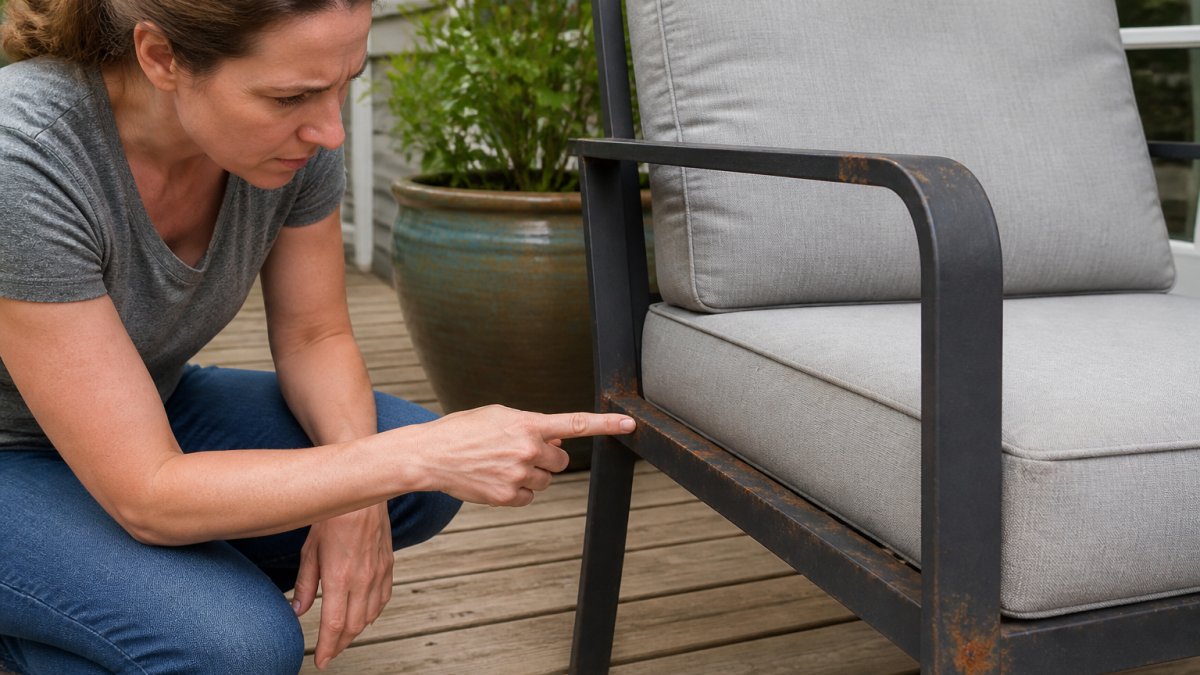
Run through this list twice a year, and again after any big storm:
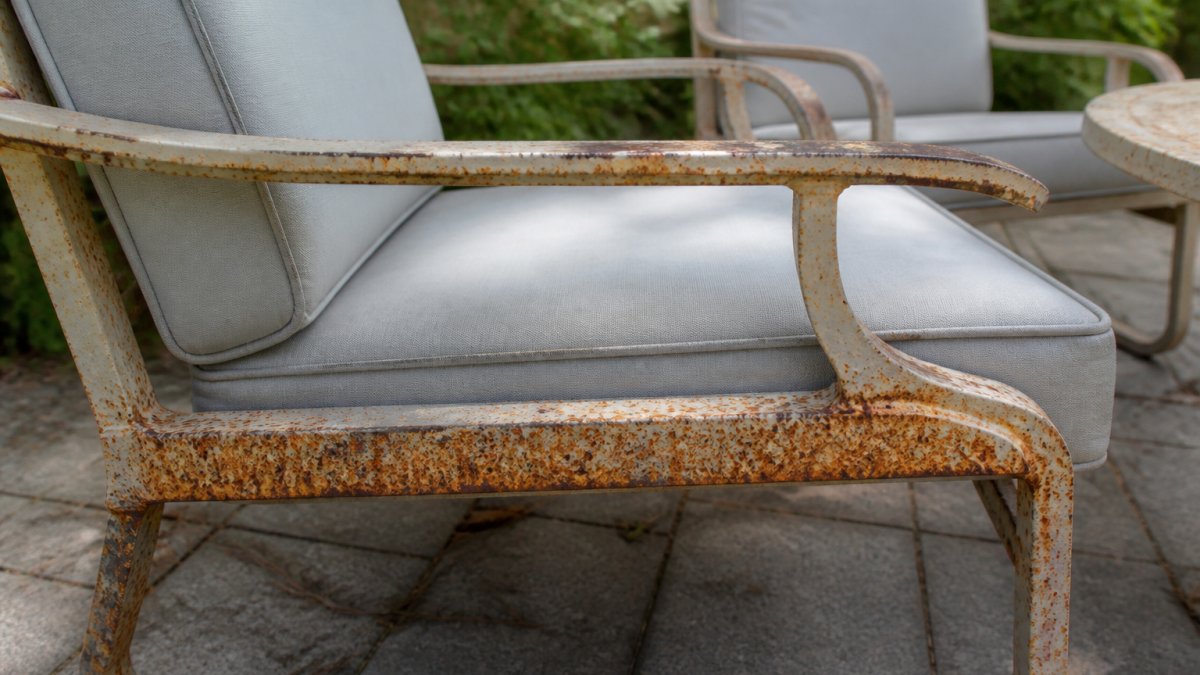
- Orange or brown speckles on welds, bolts, and joints
- Rough, gritty texture when you run a finger along the frame
- Bubbling or lifting paint, which hides rust underneath
Tell Rust Apart From Dirt, Oxidation, and Finish Wear
Not every orange or gray mark is rust. Use this quick comparison to avoid treating the wrong problem:
| What you see | What it likely is | How to confirm |
|---|---|---|
| Orange-brown speckles that smudge brown on a white rag | Iron or steel rust | Wipe with a damp cloth; rust leaves a brown stain, dirt rinses clean |
| Dull gray or white film on aluminum | Oxidation (aluminum oxide) | Rub a small area; the film is powdery and sits on the surface, not under paint |
| Chalky, faded color with no orange | Sun-faded paint or powder coat | Press a fingernail into the surface; if it is firm and dry, the coating is worn, not corroded |
| Brown rings or streaks on concrete under legs | Rust runoff from wet frames | Trace the streak upward to the leg or weld; rust stains on concrete often start at a fastener |
| Small bubbles or blisters in paint | Rust starting underneath | Press gently; a soft or crunchy spot under the paint means corrosion has begun |
Material-Specific Signs
Rust looks different depending on the metal, so identify the frame before you diagnose:
- Steel and wrought iron: Look for orange-brown speckles at welds, scratches, and bolt heads. Paint often bubbles first, then flakes. A magnet will stick to steel and wrought iron, which helps confirm the material.
- Aluminum: Aluminum does not rust red. Instead, it forms a dull gray or white powdery film (aluminum oxide) that protects the metal. Watch for pitting, white chalky buildup, and paint lifting at seams, those are signs the protective film is breaking down.
- Stainless steel: True stainless resists rust, but it can still show tea-colored staining or pitting in coastal salt air or where chlorinated pool water sits. Look for small brown dots rather than large orange patches.
Early Warning Signs Most Owners Miss
The most common mistake is waiting for visible orange rust. Long before that, paint starts to bubble at the seams. Fasteners turn a dull brown. Water leaves a faint ring on the metal after it dries.
Check the underside of tabletops and the inside of legs. That is where moisture hides and where corrosion gets its start. Also inspect the feet and glides, standing water in a leg cup is a common rust starter that owners never see until the leg softens.
Surface Rust vs Structural Rust on Metal Furniture
Surface rust sits on top of the metal and looks worse than it is. Structural rust has eaten into the metal itself and weakens the piece. The difference decides whether you repair or replace.
Here is how to tell them apart:
| Sign | Surface Rust | Structural Rust |
|---|---|---|
| Depth | Thin, powdery layer | Flaking, craters, or holes |
| Metal feel | Solid underneath | Soft or crumbling |
| Paint | Small spots | Large peeling sections |
| Fix | Sand and repaint | Repair or replace |
Press a screwdriver tip gently against a rust spot. If the metal gives or flakes away, the damage is structural. Stop using that piece until it is repaired or replaced, especially if it is a chair someone sits in.
Repair-or-Replace Criteria for Joints, Legs, and Fasteners
Use these practical thresholds to decide whether a piece is worth saving:
- Welds and joints: Surface rust at a weld is treatable. If the weld itself is cracked, porous, or the metal around it crumbles when probed, the joint has lost strength, replace the piece or have it professionally rewelded.
- Legs and feet: Rust that has thinned a leg wall by more than a fingernail's depth, or any leg that flexes or feels spongy, is structural. Legs carry the load, so do not patch and keep using them.
- Fasteners and bolts: A rusty bolt head is usually cosmetic. A bolt that will not turn, or a hole that has enlarged and ovalized from corrosion, means the connection is compromised. Replace the fastener and inspect the hole; if the hole is wallowed out, the frame is weakened.
Safe Inspection and Treatment Precautions
Before you probe, sand, or apply any product, protect yourself and your surroundings:
- Wear nitrile or rubber gloves and safety glasses when handling rust removers, primers, and sanding dust.
- Work outdoors or in a well-ventilated area; solvent-based primers and rust converters give off strong fumes.
- Follow the product label for dwell times, dilution, and disposal, more is not better, and over-strong acid can etch good metal.
When to Call a Professional
Some damage is beyond a homeowner fix. Call a professional welder or restoration shop if a weld is cracked on a load-bearing joint, if a leg or frame tube is perforated, or if the piece is a heavy wrought-iron or cast-aluminum set with sentimental or replacement value. For light surface rust, a DIY repair with sanding, primer, and topcoat is usually enough.
How to Remove Rust From Outdoor Furniture
Learning how to remove rust from outdoor furniture starts with prep.
Total time: about 1 hour per piece Difficulty: beginner
Patio Dining Set, for 6, Swivel Chairs | E-Coated and Steel, Rectangle Table →
What you'll need:
- Wire brush or fine sandpaper
- White vinegar or a rust remover spray
- Clean rags
Step 1: Clean the surface [15 minutes]. Wash off dirt and let the piece dry fully in the sun.
Step 3: Wipe down [5 minutes]. Remove all dust with a clean rag. Any grit left behind weakens the new coat.
Step 4: Prime [10 minutes]. Apply a rust-inhibiting primer to the bare metal. This is the step that stops rust from coming back.
Step 5: Topcoat [10 minutes]. Add your finish paint once the primer dries. Two thin coats beat one thick coat.
Expected result: a smooth, sealed surface with no orange showing through.
Watch out: painting over rust without stripping it first traps moisture and makes the damage worse.
Rust Stains From Metal Furniture on Concrete: Cleaning and Prevention
Rust stains from metal furniture on concrete are stubborn but treatable. The orange color comes from rust runoff dripping off wet frames onto the patio.
To clean them:
- Scrub the stain with a stiff brush and a mild acid cleaner made for concrete.
- Rinse well and let the area dry.
- Repeat on old stains, since they often need more than one pass.
Prevention works better than cleaning. Add rubber or plastic glides under every leg so metal never touches the concrete directly. Move furniture before heavy rain, or tilt pieces so water drains off the frame instead of pooling under it.
How to Prevent Rust on Metal Patio Furniture
Knowing how to prevent rust on metal patio furniture comes down to three habits: keep it dry, keep it coated, and check it often.
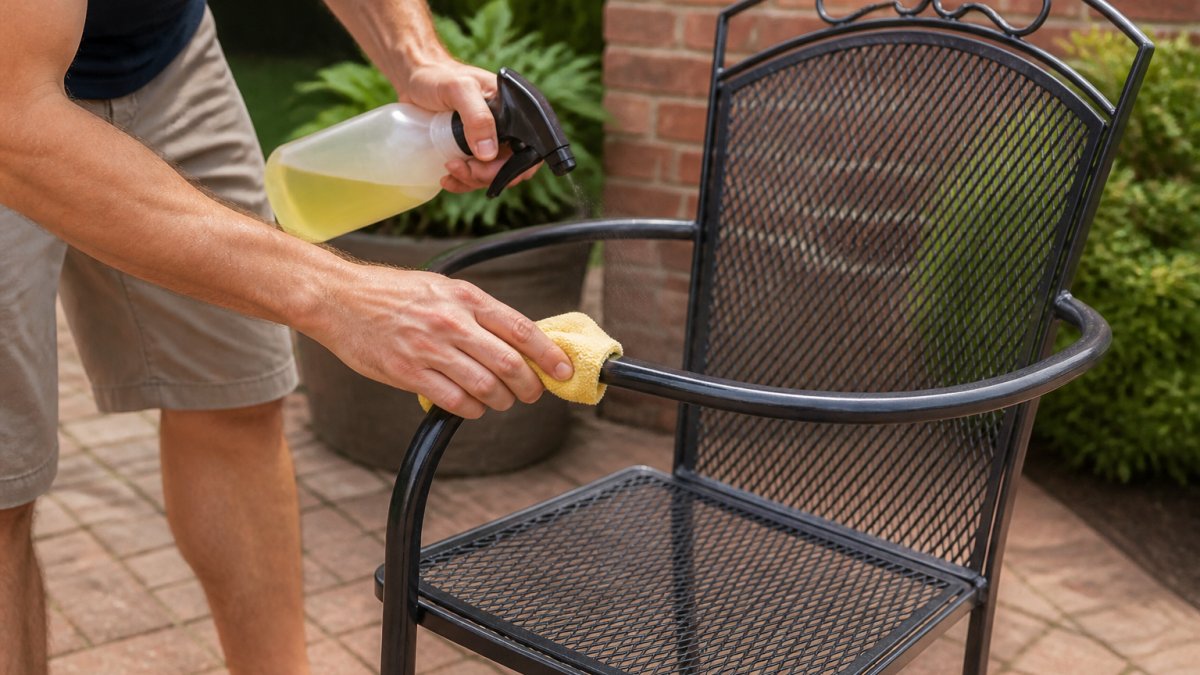
- Rinse and dry frames after rain or sprinkler spray
- Touch up chips and scratches right away, before rust starts
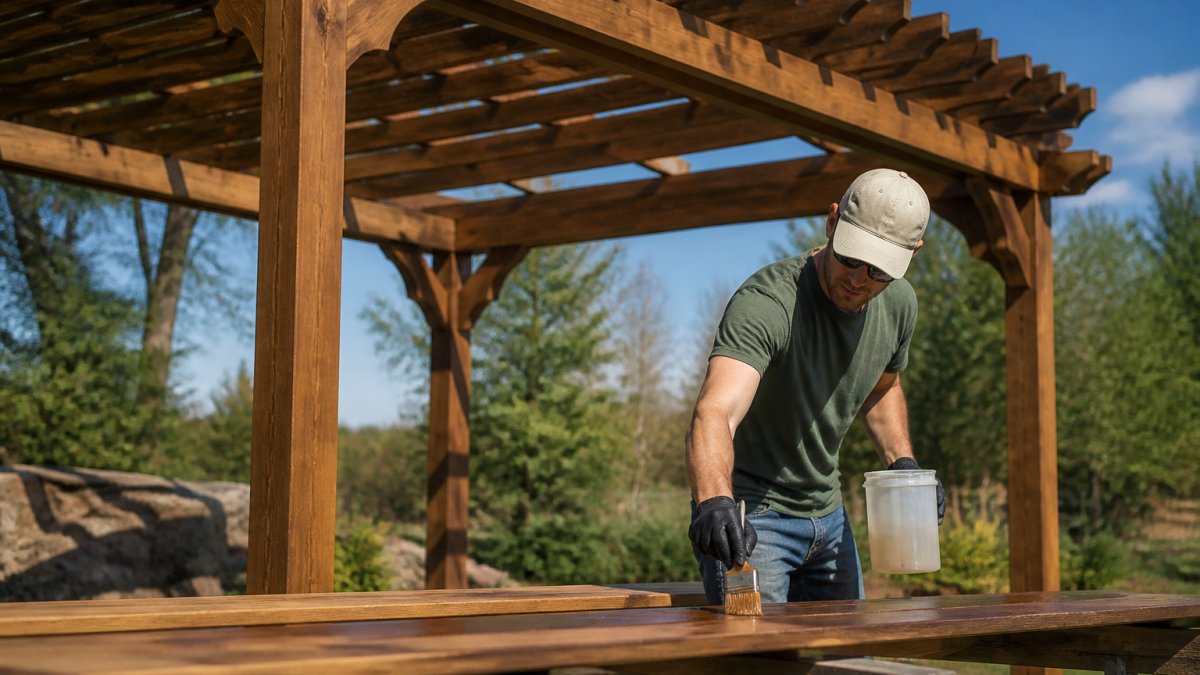
- Apply a protective finish or wax at the start and end of each season
For a deeper walkthrough, read our full guide on how to prevent rust on metal patio furniture. It covers seasonal care and the products we recommend.
Choosing Rust-Resistant Patio Furniture for Your Backyard
The best defense against rust is buying furniture built to resist it. Look for e-coated or powder-coated frames, sealed welds, and stainless steel fasteners.
When you are ready to compare materials for a rust-free replacement, our guide on how to choose durable outdoor furniture that lasts walks through frame types and finishes. If you want curated picks, see our roundup of the best weather resistant patio furniture.
We build our own sets around rust prevention. The 6-piece swivel chair dining set uses an all-steel frame with three layers of coating, including an e-coating layer designed to resist rust.

For lounging, our modern metal conversation set applies both e-coating and powder-coating to a heavy-duty frame. Every piece is built for every season, so you replace furniture less often.
Frequently Asked Questions
What are the first signs of rust on metal outdoor furniture?
The earliest metal rust signs are small orange or brown speckles along welded joints, screw heads, and the feet of legs where water collects. You may also notice the paint looking slightly bubbled, a chalky discoloration, or a thin rust-colored drip line running down from a joint after rain. Catching these spots early matters because surface rust can be sanded and treated in minutes, while advanced corrosion weakens the frame and is far harder to fix.
Can rust stains on concrete really come from metal patio furniture?
Yes. When rain or sprinkler water passes over a rusty frame, it carries iron particles down onto the patio and leaves orange-brown rust stains from metal furniture on concrete and patio tiles. The stain is usually directly below a leg or joint. Clean it with a commercial rust remover or a diluted oxalic acid solution, then rinse thoroughly. Fixing the corrosion on the furniture is the only way to stop the stains from returning.
How can you tell whether rust on patio furniture is only on the surface?
Surface rust sits on top of the coating and wipes away as a fine orange powder, leaving solid metal underneath. Structural rust on metal furniture shows deeper pitting, flaking paint, a hollow sound when tapped, or a frame that flexes where it once felt rigid. Press a screwdriver handle gently against the affected area. If it crumbles or dents easily, the metal has lost strength and the piece is usually better replaced than repaired.
How do you prevent metal outdoor furniture from rusting?
Start with furniture built with rust-resistant finishes, such as e-coated and powder-coated steel frames. Keep pieces dry by tilting them slightly or storing cushions separately, and touch up any chipped paint immediately so bare metal never meets moisture. A carnauba wax or silicone spray applied once a season adds a barrier against water and salt air. Wipe down frames after storms, and check joints and fasteners monthly for early discoloration.
Rust does not have to mean replacing your patio every few seasons. With the right checks and a frame built to resist corrosion, your outdoor space can stay inviting year after year. Backyard Comfort CO offers weather-ready furniture with rust-resistant coatings, free shipping on most orders within the continental U.S., and a straightforward 30-day return policy. Get started with Backyard Comfort CO and build a backyard that holds up through every season.