 ultimate-guide
Is Expensive Patio Furniture Worth It?
Table of Contents
- The Real Cost of Cheap Patio Furniture
- Solid Wood vs Plastic Outdoor Furniture: Material Durability
- Signs of High-Quality Patio Furniture Worth Your Investment
- Cost-Per-Use Analysis: When Expensive Furniture Pays Off
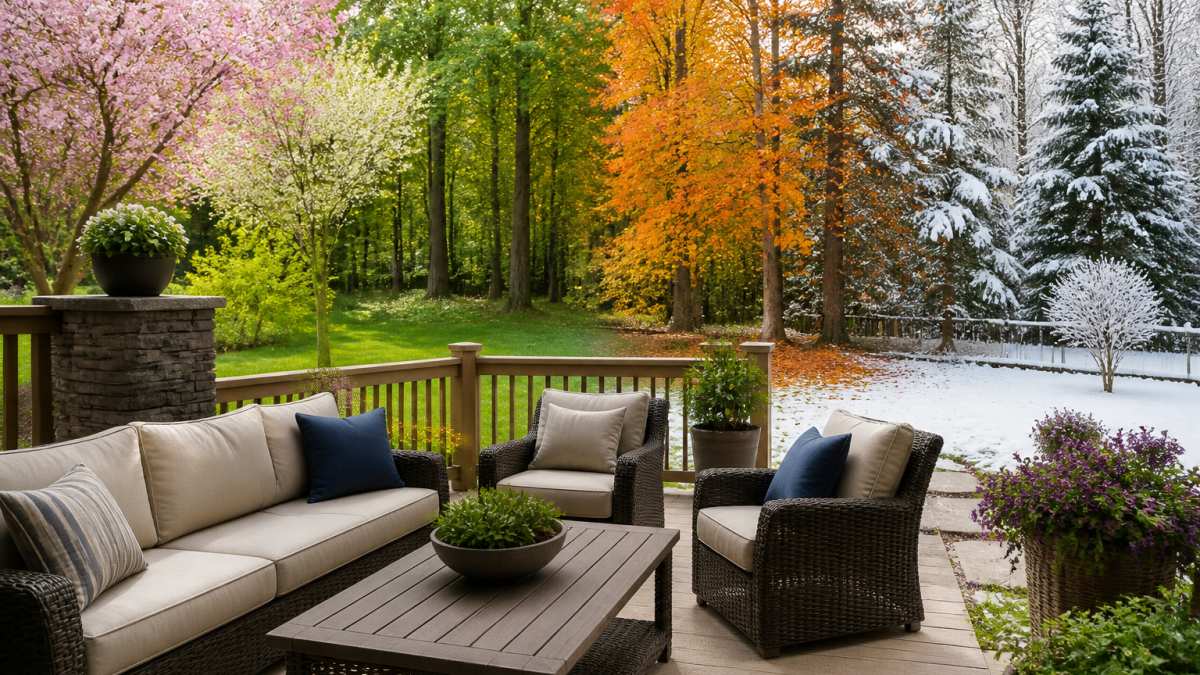
- Weather Resistance and Climate-Specific Material Matching
- How to Maintain Outdoor Furniture for Maximum Lifespan
- Resale Value and Long-Term Investment Potential
- Is Expensive Patio Furniture Worth It? The Verdict
The Real Cost of Cheap Patio Furniture
When you buy budget outdoor furniture, you're not just paying a lower price upfront. A set that costs $300 today might feel like a bargain until it warps, fades, or falls apart within two seasons. Then you're back shopping again, spending money on the same problem repeatedly.
This is where the question of whether expensive patio furniture is worth it actually begins. It's not about luxury or status. It's about understanding what you're really paying for when you choose quality over convenience.
At Backyard Comfort CO, we work with homeowners who've experienced this exact frustration. They've replaced cheap furniture multiple times and want to invest once and enjoy their outdoor space for years without constant maintenance or replacement. That shift in perspective, from "how cheap can I go" to "what will actually last", changes everything about how you evaluate expensive patio furniture.
The real question isn't whether expensive furniture costs more. It's whether it costs less over time.
Solid Wood vs Plastic Outdoor Furniture: Material Durability
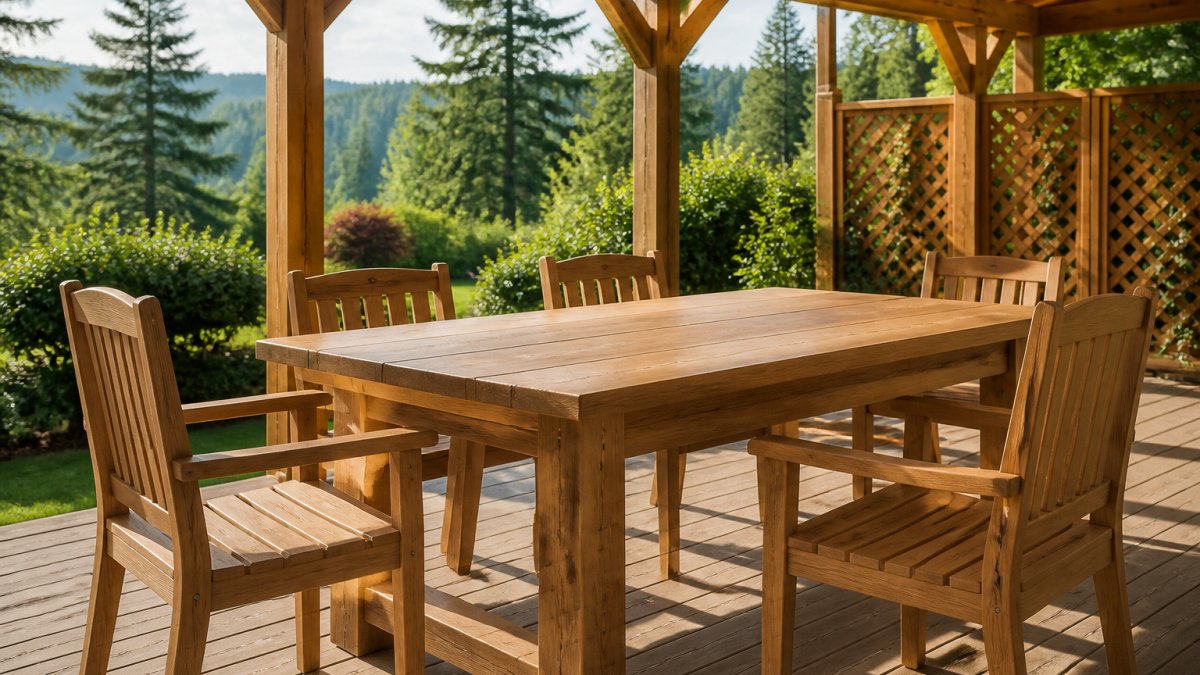
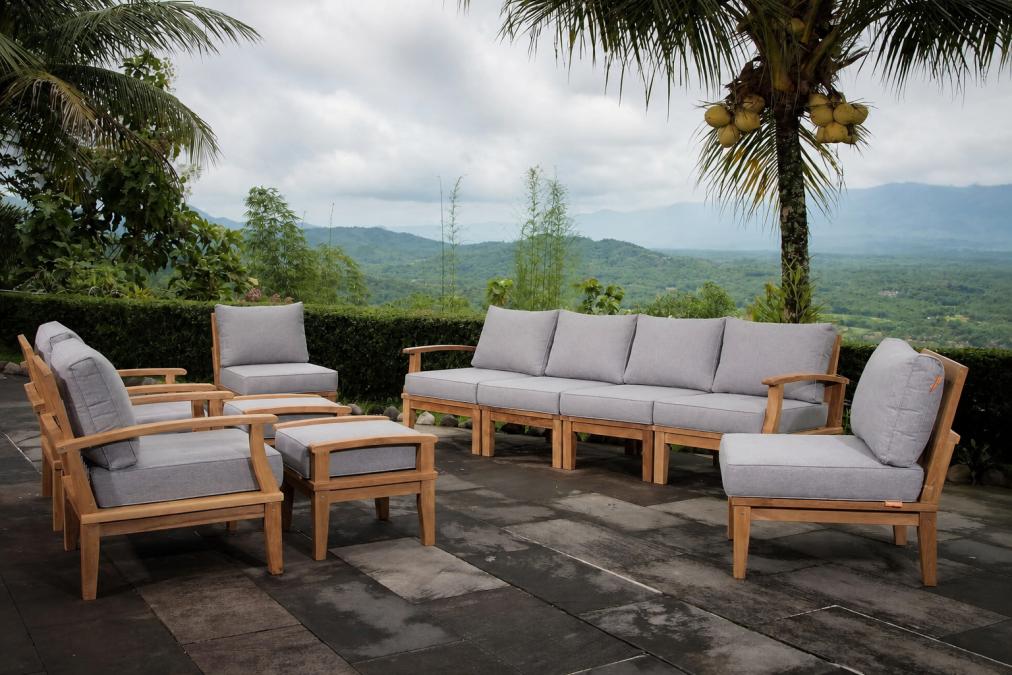
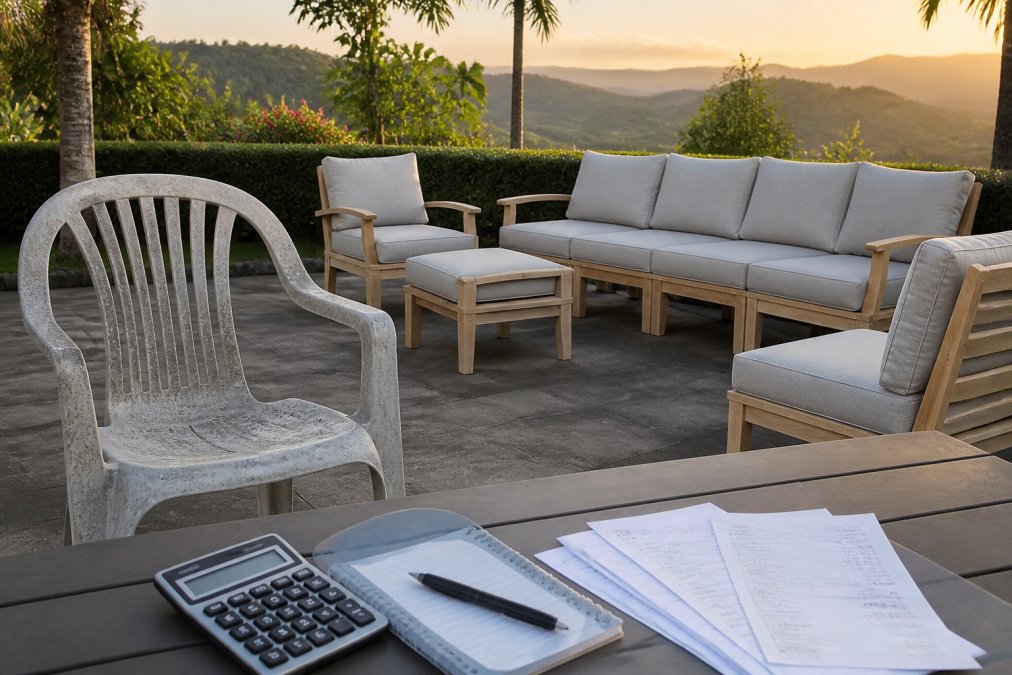
The difference between solid wood and plastic furniture is structural. Solid wood, particularly teak and other weather-resistant species, has natural oils that resist rot and insect damage. The wood develops a silver-gray patina but remains structurally sound for decades. Plastic furniture, typically made from high-density polyethylene or vinyl, becomes brittle under UV exposure and eventually cracks or warps.
Aluminum frames with powder-coated finishes offer another approach. The powder coating protects against rust and corrosion, and aluminum doesn't rot. However, cushions and fabrics still degrade. Synthetic wicker, often made from resin-coated polyethylene, resists fading better than solid plastic but still faces UV degradation over time.
The key difference: wood pieces can be refinished. Plastic cannot. Once plastic degrades, replacement is your only option. A teak chair that's lost its finish can be sanded and resealed.
Corrosion resistance matters too. Stainless steel hardware resists rust. Cheap zinc-plated hardware corrodes quickly, especially in humid climates. If the frame is aluminum but the fasteners are low-grade steel, you'll see rust bleeding from the joints within a few seasons.
Quality furniture uses reinforced joints and proper welding techniques. Budget furniture cuts corners here, and it shows within a year or two.
Signs of High-Quality Patio Furniture Worth Your Investment
Not all expensive furniture is actually high-quality. Price alone doesn't guarantee durability. You need to know what to look for when evaluating whether a piece is built to last.
Start with frame construction. Pick up a chair or move a table. Does it flex excessively? Quality frames have minimal give. Check the joints, are they welded or bolted? Welded joints are stronger. Look at the welds themselves. Clean, consistent welds indicate precision manufacturing.
For cushions, density matters. Squeeze the cushion. High-density foam (3 to 5 pounds per cubic foot) resists compression and lasts longer (peer-reviewed research). Low-density foam flattens within a season or two.
Check the upholstery fabric. Quality outdoor fabrics are solution-dyed, meaning the color is part of the fiber itself. This resists fading dramatically better than printed or painted fabrics. All-weather fabrics like Sunbrella maintain color and don't absorb moisture, which prevents mildew and rot.
Hardware tells a story. Stainless steel fasteners, hinges, and brackets resist rust. If you see cheap zinc-plated bolts on a "high-end" piece, that's a red flag.
For wood furniture, examine the grain and finish. Is the wood grain consistent? A quality finish is smooth and even. Ask about the specific wood species. Teak, ipe, cumaru, and shorea are proven outdoor performers.
Look at the overall fit and finish. Are there gaps between pieces? Do drawers or doors close smoothly? Quality manufacturers invest in precision manufacturing and quality control.
Cost-Per-Use Analysis: When Expensive Furniture Pays Off
Instead of comparing the sticker price, compare the true cost of ownership over time.
Start with the price of the furniture and divide it by how many seasons you'll realistically use it. A $4,000 teak dining set from Backyard Comfort CO that lasts 20 seasons costs $200 per season. A $1,200 plastic set that lasts three seasons costs $400 per season. Over 20 seasons, you'd buy nearly seven plastic sets for roughly $8,400 versus $4,000 for the teak.

Factor in maintenance time and replacement costs for components. A plastic set requires minimal maintenance upfront, but you're replacing the whole thing every few years. A wood set requires annual sealing or oiling, but individual components can be replaced. A broken slat on a wood chair costs $50 to replace. A broken plastic chair costs $300 to replace.
Consider your climate. In mild, dry climates, plastic lasts longer. In humid, sunny, or freeze-thaw climates, plastic degrades much faster. Wood and powder-coated aluminum perform better in harsh conditions.
Seasonal storage affects durability too. If you store furniture indoors during winter, it lasts longer regardless of material. If it stays outside year-round, weather resistance becomes critical.
Also consider the replacement frequency of cushions and fabrics. High-density cushions with quality covers last 5-7 years. Budget cushions last 2-3 years.
The real cost-per-use calculation is: (Initial Price + Maintenance Costs + Replacement Component Costs) ÷ Total Seasons of Use. When you do the math honestly, expensive furniture often wins.
Weather Resistance and Climate-Specific Material Matching
Not all expensive furniture is appropriate for all climates. Understanding your specific weather conditions helps you choose furniture that will actually perform.
In hot, sunny climates with intense UV exposure, fade resistance and heat tolerance matter most. Powder-coated aluminum frames don't degrade from UV. Solution-dyed fabrics resist fading. Plastic furniture fades quickly in these conditions.
In humid, coastal, or freeze-thaw climates, corrosion resistance and moisture management are critical (nist.gov). Stainless steel hardware, powder-coated frames, and moisture-wicking fabrics prevent rust and mildew. Plastic becomes brittle in freeze-thaw cycles. Wood needs proper sealing and maintenance in these conditions.
Salt air accelerates corrosion dramatically. If you're near the ocean, stainless steel is nearly essential. Regular zinc-plated hardware corrodes within months in salt air.
Rain and standing water are problems for any material. Ensure furniture has proper drainage. Cushions should dry quickly or be removable. Wood should be elevated off wet ground. The best outdoor furniture has design features that prevent water pooling and allow air circulation.
Materials expand and contract with temperature changes. Quality furniture accounts for this in its design and joinery. Cheap furniture often doesn't, which is why bolts loosen and joints crack after a few freeze-thaw cycles.
In harsh climates, expensive furniture isn't a luxury, it's practical economics. The cost difference between budget and quality shrinks when you factor in replacement frequency.
How to Maintain Outdoor Furniture for Maximum Lifespan
Maintenance requirements vary dramatically by material. Understanding what your furniture needs is part of the investment decision.
Wood furniture requires the most active maintenance. Teak and other high-end outdoor woods develop a silver-gray patina naturally, which is protective. If you prefer the original color, annual sealing or oiling is necessary. Without maintenance, wood still lasts, but it ages faster.
Aluminum and powder-coated frames need minimal maintenance. An occasional wash with mild soap and water is sufficient. If the powder coating is scratched, touch-up paint prevents rust.
Plastic furniture requires almost no maintenance. Occasional washing is all that's needed. The downside: you can't restore faded plastic.
Cushions and fabrics need regular care regardless of frame material. Remove cushions during heavy rain or before winter storage. Wash covers periodically with mild soap and water. Solution-dyed fabrics resist staining better than others. If mildew appears, a gentle scrub with diluted bleach solution removes it.
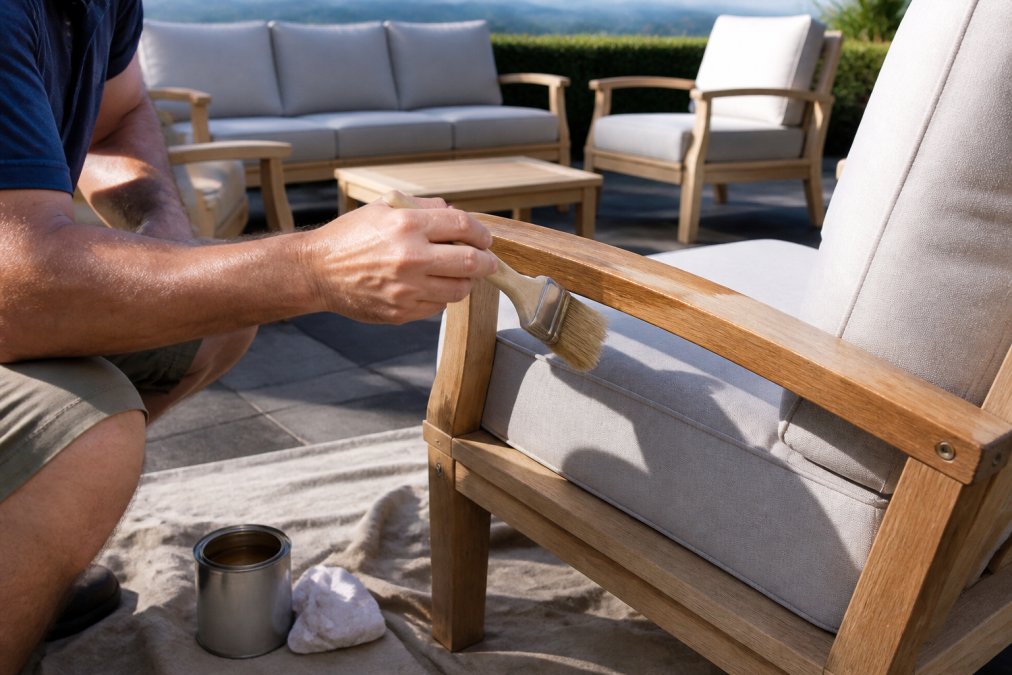
The maintenance schedule matters. A piece that requires annual sealing lasts decades. The same piece neglected deteriorates much faster. If you're not willing to maintain furniture, choose materials that require minimal upkeep.
Storage during off-season extends life significantly. Even quality furniture lasts longer if it's covered or stored during harsh weather. If you live in a freeze-thaw climate, moving cushions indoors during winter is essential.
Resale Value and Long-Term Investment Potential
Quality furniture holds resale value. Budget furniture doesn't.
A used teak dining set from a quality manufacturer sells for 40-60% of its original price. A used plastic set sells for 10-20% of its original price, if it sells at all. Buyers know that teak lasts. They know plastic doesn't.
When you're selling a home, outdoor furniture is part of the property's appeal. Quality, well-maintained furniture suggests the entire property has been cared for. Worn, faded plastic furniture suggests neglect.
Quality furniture appreciates in some circles. Vintage teak outdoor furniture from 20-30 years ago is actively sought by collectors and design enthusiasts. Plastic furniture from 20 years ago has no market value.
For homeowners who view their outdoor space as a long-term investment in their property and lifestyle, resale value is a real consideration.
Is Expensive Patio Furniture Worth It? The Verdict
The answer is: it depends on your situation, but for most homeowners, the math favors quality.
If you use your outdoor space regularly and plan to keep it for more than five years, expensive patio furniture is worth it. The cost-per-use calculation favors durability. You'll spend less money over time, deal with fewer replacements, and enjoy a space that improves with age rather than deteriorating.
If you live in a harsh climate, intense sun, high humidity, freeze-thaw cycles, or salt air, quality furniture is nearly essential. Budget furniture fails quickly in these conditions.
If you're willing to maintain your furniture, wood pieces reward that attention with decades of life. If you want minimal maintenance, quality aluminum and synthetic wicker are better choices than cheap plastic.

If you eventually plan to move or redesign your space, quality furniture retains value. You'll recover some of your investment.
The one scenario where budget furniture makes sense: you're renting, uncertain about your long-term plans, or you don't care about your outdoor space.
For everyone else, expensive patio furniture is an investment that pays for itself. Backyard Comfort CO's teak sets and weather-resistant pieces are built on this principle. They're designed to become part of your home for decades, not to be replaced every couple seasons.
The real question isn't whether you can afford expensive furniture. It's whether you can afford not to buy it if you're going to use your outdoor space for years to come.
Investing in quality outdoor furniture transforms your backyard into a year-round living space. Backyard Comfort CO offers durable, weather-resistant patio furniture and structures built to last decades without constant replacement or maintenance. With solid wood construction, powder-coated aluminum frames, and stainless steel hardware, our pieces are designed to handle every season. Plus, we offer free shipping on most orders within the continental U.S. and a straightforward 30-day return policy. Start building your lasting outdoor retreat with Backyard Comfort CO today.
Frequently Asked Questions
Q: How much should you spend on patio furniture for long-term durability?
A: Budget depends on your climate and usage frequency. For harsh weather regions, expect to invest for a quality set built to last 10-15+ years. Premium teak and solid wood furniture costs more upfront but delivers lower cost-per-use over time. Budget-conscious buyers should calculate: total cost divided by years of use. A $4,312.52 set lasting 15 years costs roughly $287.50 annually, compared to replacing cheaper furniture every 2-3 years.
Q: What materials make patio furniture worth the higher price tag?
A: Premium materials include Grade-A teak wood (naturally weather-resistant), powder-coated aluminum frames, high-density polyethylene (HDPE) wicker, stainless steel hardware, and all-weather Sunbrella fabrics. These resist UV degradation, corrosion, and moisture damage. Teak develops a protective silver patina over time, while synthetic wicker won't crack or splinter. Cheaper alternatives use untreated wood, low-grade plastic, and standard fabric that fades, cracks, and deteriorates within 2-3 seasons.
Q: Does expensive patio furniture actually last longer in harsh weather?
A: Yes, significantly. Premium furniture withstands intense sun, humidity, salt air, and temperature swings without structural failure. Teak and aluminum resist rust and rot; quality cushions with moisture-wicking fabrics dry quickly and resist mold. Budget furniture fails faster in harsh climates due to poor weld strength, untreated wood, and low-grade upholstery. In regions with extreme weather, expensive furniture provides 10-15 years of use versus 2-3 years for cheaper options, making it a practical investment rather than a luxury choice.
Q: What are the hidden costs of buying cheap patio furniture?
A: Cheap furniture incurs frequent replacement cycles, disposal fees, and time spent shopping and assembling repeatedly. Low-density cushions flatten quickly, requiring replacement. Rust and corrosion damage frames within seasons. Poor construction means wobbly joints, cracked frames, and safety risks. You may also face refinishing costs, frame repairs, and seasonal storage challenges for deteriorating pieces. Over 10 years, replacing budget furniture 3-4 times often costs more than one premium purchase, before accounting for labor and hassle.
This article was written using GrandRanker