 comparison
Yardistry Alternatives for Custom Pergolas
Table of Contents
- Yardistry Alternatives: Prefab vs. Custom Build Comparison
- Best Materials for Outdoor Pergolas
- Cost of Custom Built Pergolas vs. Prefab Kits
- DIY Pergola Kit Assembly Time and Installation Models
- Foundation Engineering and Permitting Requirements
- Long-Term Durability: Maintenance and Resale Value
- Design Versatility and Customization Options
- Conclusion
- Frequently Asked Questions
Last Updated: September 2, 2026
Yardistry Alternatives: Prefab vs. Custom Build Comparison
When shopping for a pergola, the choice between prefab kits and custom builds hinges on your specific situation. Prefab kits offer speed and predictability, you know exactly what you're getting, assembly takes a weekend, and pricing is fixed. Custom builds demand more time and upfront planning but give you complete control over materials, dimensions, and design. At Backyard Comfort CO, we've helped homeowners navigate this decision, and the answer isn't always obvious.
The real tension isn't about which is objectively better, but matching your priorities to the right approach. If you value speed and simplicity, prefab wins. If you want a pergola that fits your exact space and aesthetic, custom is worth the extra effort. Understanding the trade-offs in cost, timeline, customization, and durability separates a smart investment from buyer's remorse.
Below, we'll walk through the key differences, material options, and decision points that matter when evaluating yardistry alternatives for custom pergolas.
Best Materials for Outdoor Pergolas
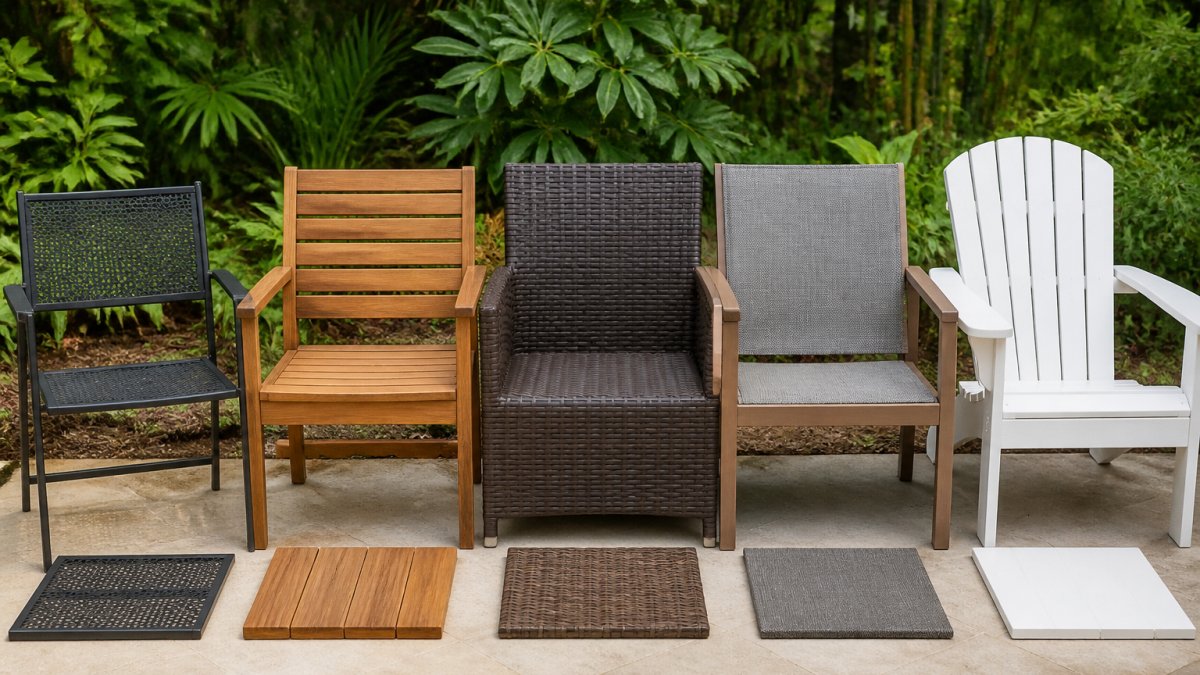
Your material choice determines maintenance frequency, longevity, and total cost. The three primary options, aluminum, wood, and steel, each solve different problems.
Aluminum: Durability Without Maintenance
Aluminum pergolas have become the default choice for homeowners who want to install once and forget about it. The material resists rust, corrosion, and UV damage naturally. A powder-coated aluminum frame won't splinter, warp, or require refinishing, you can hose it down once a year and it stays pristine.
The advantage emerges over time. While a wood pergola needs sanding and staining every 3-5 years, aluminum requires nothing. For busy homeowners or those in harsh climates, coastal areas with salt spray, humid regions, or places with intense sun, this matters enormously. The integrated drainage systems on many aluminum models, like Backyard Comfort CO's louvered pergolas, channel rainwater away from the structure and down through support columns, preventing pooling and water damage.
Aluminum has limitations. It lacks the warm, organic aesthetic of wood and may look too industrial for traditional landscapes. Premium aluminum models with adjustable louvered roofs add functionality, you control shade by rotating slats from 0° to 90°, but this complexity means more moving parts that could eventually need maintenance.
Wood: Classic Aesthetics and Customization
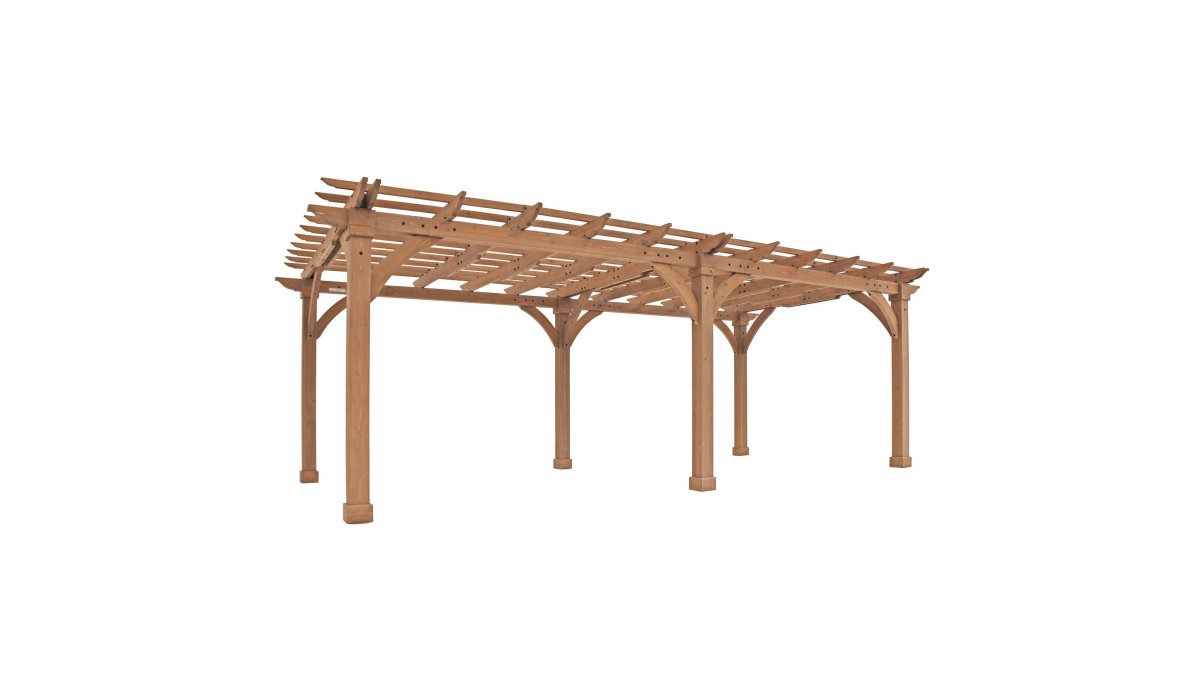
Wood pergolas deliver visual warmth and timeless appeal that aluminum can't match. Cedar naturally resists rot and insects but costs more. Pressure-treated pine is affordable and durable but lacks cedar's natural beauty. Untreated wood is cheapest but requires regular maintenance.
The trade-off is clear: wood looks better but demands your attention. You'll refinish it every few years to maintain color and protect against UV damage. In humid climates, mold can become an issue. In arid regions, wood can dry out and crack. Many homeowners accept this trade-off because wood integrates seamlessly into residential landscapes.
Custom wood pergolas offer unlimited design flexibility. You can match your home's architectural style, adjust dimensions to fit irregular patios, and choose stain colors that complement your landscape. A 12' X 24' Wood Pergola from Backyard Comfort CO can be positioned and finished to feel like a natural extension of your home rather than an add-on structure.

Steel: Maximum Structural Integrity
Steel offers the strongest structural integrity of the three materials. It can span longer distances without sagging, handle heavier loads, and withstand extreme weather. Steel pergolas work well in regions prone to heavy snow or high winds because the material won't flex or warp under stress.
The catch is rust. Bare steel corrodes rapidly unless painted or powder-coated. A properly finished steel pergola with multiple coats of powder coating and sealed welds lasts as long as aluminum. Steel makes sense when structural performance is non-negotiable: a large pergola covering 20' x 30', a structure in a wind-prone area, or a design carrying significant load. For smaller, standard installations, aluminum achieves the same durability with less maintenance.
Cost of Custom Built Pergolas vs. Prefab Kits
Prefab kits are cheaper upfront. A standard aluminum louvered pergola from a kit manufacturer runs roughly $1,400-$3,000 depending on size. You assemble it yourself or hire someone for a few hours.
Custom builds cost more. Materials alone for a quality wood pergola can exceed $2,000-$4,000. Add professional installation, foundation work, and finishing, and you're looking at $4,000-$8,000 or more depending on complexity and materials.
The cost difference feels significant until you calculate the long-term picture. A prefab aluminum kit lasts 15-20 years with minimal maintenance. A custom wood pergola, if properly maintained, can last 25+ years. But maintenance isn't free. Refinishing every 4 years adds up. A professional refinish for a large pergola costs $800-$1,500 per application.
Most homeowners compare upfront prices and assume prefab wins. But if you're refinishing a wood structure every 4 years over 25 years, that's 6 refinish cycles at roughly $1,000 per cycle, $6,000 in labor alone. Suddenly, the custom build looks more economical.
The real question is your timeline and patience. If you want the lowest possible cost and don't mind replacing the structure in 15 years, prefab aluminum wins. If you want a permanent fixture and can afford the upfront investment, custom usually makes financial sense over 20+ years.
DIY Pergola Kit Assembly Time and Installation Models
DIY Assembly: Timeline and Skill Requirements
Most prefab kits promise "simple assembly," but reality depends on the kit and your experience level. A small aluminum louvered pergola (10' x 10') typically takes 4-6 hours with two people and basic tools. A larger kit (12' x 20') can stretch to 8-12 hours because of component count and louvered section alignment complexity.

Assembly requires precision. Bolts need to be tight enough to prevent wobbling but not so tight that you strip threads in aluminum. Louvered sections must align perfectly or the manual crank won't rotate smoothly.
Foundation preparation is often underestimated. Most pergolas require anchoring to concrete or a deck with expansion bolts. If you're installing on bare ground, you'll need to pour concrete footings, a job that adds 1-2 days if you do it yourself.
Professional Installation: When to Hire Help
Professional installation costs $500-$1,500 depending on complexity and location. For a prefab kit, this covers assembly, foundation work, and final adjustments. For a custom build, installation is more involved because the structure is often built on-site or requires precise positioning.
You should hire help if you're uncomfortable working at height or with power tools, the pergola is large (over 12' x 16'), your site requires significant preparation, or you want a warranty that covers installation. Many manufacturers void warranties on DIY installations.
If you value your weekend more than $1,000, professional installation is worth it.
Foundation Engineering and Permitting Requirements
A freestanding pergola under 200 square feet typically doesn't require a building permit in many jurisdictions, but permitting rules vary by county (iccsafe.org). Some areas require permits for any permanent structure over 10 feet tall or covering more than 100 square feet.
Before you order, check with your local building department. It takes 15 minutes and prevents expensive mistakes. Some homeowners discover mid-installation that their pergola needs a permit they didn't get, forcing them to either remove it or pay for a retroactive permit and inspection.
Foundation engineering matters for wind resistance. A pergola anchored with surface bolts to concrete handles winds up to 72 mph (fema.gov). In hurricane zones or high-wind areas, you need proper anchoring. Buried footings (concrete piers below the frost line) provide better long-term stability than surface bolts, especially in freeze-thaw climates where soil heaves seasonally.
For custom builds, a structural engineer might be necessary if your pergola spans a large area or you're in a region with heavy snow load requirements. This adds $300-$800 to your project cost but ensures the structure won't fail under stress.
Long-Term Durability: Maintenance and Resale Value
A pergola that lasts 25 years is only a good investment if it actually lasts that long. Durability depends on material, climate, and maintenance.
Aluminum pergolas in typical climates last 20-25 years with virtually no maintenance beyond occasional cleaning. In harsh coastal environments, they last 15-20 years because salt spray accelerates corrosion of fasteners and welds. Regular rinsing with fresh water extends life significantly.
Wood pergolas last 20-30 years if properly maintained, 10-15 years if neglected. Cedar lasts longer than pressure-treated pine. The key variable is refinishing. Skip it, and wood deteriorates rapidly. Stay on schedule, and wood remains structurally sound for decades.
Steel pergolas last 20-25 years with a quality powder-coat finish. Bare steel or poorly finished steel corrodes within 5-10 years.
A well-maintained pergola adds perceived value to your backyard. A permanent, high-quality structure signals investment in your home. A shabby, deteriorating pergola does the opposite. If you're planning to sell in 10 years, a durable pergola that looks maintained is an asset.
Design Versatility and Customization Options
Prefab kits come in standard sizes: 10' x 10', 10' x 12', 12' x 16', 12' x 20'. If your patio is 11' x 18', you're either overshooting or undershooting. Some kits are modular and can be extended, but you're still limited by the manufacturer's design.

Custom builds solve this. Your pergola can be any size or shape. Curved rooflines, angled supports, integrated seating, custom finishes, if you can draw it, a builder can likely construct it. This flexibility is valuable if your space is irregular or your aesthetic vision doesn't fit standard designs.
The trade-off is lead time. A prefab kit ships in weeks. A custom build takes 4-12 weeks depending on the builder's schedule and material availability. If you need a pergola fast, prefab wins. If you're willing to wait for exactly what you want, custom delivers.
Design also affects maintenance. Flat roofs on aluminum louvered pergolas are simple to maintain. Peaked roofs on wood pergolas are more complex because water can pool in valleys if gutters aren't perfect.
Conclusion
Choosing between yardistry alternatives for custom pergolas comes down to your priorities: speed and simplicity versus customization and long-term value. Prefab kits deliver fast results at lower upfront cost. Custom builds offer unlimited design flexibility and typically better durability over 20+ years.
Backyard Comfort CO's aluminum louvered pergolas combine the durability of custom construction with the simplicity of prefab assembly. The adjustable louvered roof blocks up to 99% of UV rays, the integrated drainage system prevents pooling, and the powder-coated aluminum frame withstands winds up to 72 mph (nist.gov). Whether you choose a 10' X 10' Louvered Pergola or a larger 12' X 20' Louvered Pergola structure, you're investing in a structure built for every season. Get started with Backyard Comfort CO and create the outdoor living space your family deserves.
Frequently Asked Questions
Q: What are the best high-end alternatives to Yardistry pergolas?
A: Top alternatives include aluminum louvered pergolas with adjustable roofs, custom-built wood structures, and reinforced steel frames. Aluminum options like those from Backyard Comfort CO offer powder-coated finishes, wind ratings up to 72 mph, and integrated drainage systems starting around $1,435.35. Custom wood pergolas provide bespoke design but require more maintenance. The best choice depends on your climate, budget, and aesthetic preferences, aluminum suits harsh weather and low-maintenance needs, while wood offers timeless appeal and customization.
Q: Is it cheaper to build or buy a pergola?
A: Prefab kits typically cost $1,435.35-$3,711.64 and include assembly in 4-6 hours with basic tools. Custom-built pergolas range from $2,500-$8,000+ depending on materials, size, and local labor costs. Building from scratch often costs more when you factor in lumber, hardware, and professional labor. However, prefab kits save time and reduce waste. For small spaces under 10' x 12', kits are cost-effective; for larger or highly customized designs, custom builds may offer better long-term value despite higher upfront costs.
Q: What materials are best for long-lasting custom pergolas?
A: Aluminum with powder-coated finishes offers the longest lifespan (20+ years) with minimal maintenance and corrosion resistance. Wood pergolas (cedar or pressure-treated pine) last 15-20 years with regular staining and sealing. Reinforced steel provides maximum structural integrity but requires rust prevention coatings. For harsh climates, aluminum excels; for aesthetic appeal and customization, wood wins. Backyard Comfort CO's louvered aluminum pergolas withstand 72 mph winds, making them ideal for durability-focused homeowners.
Q: How long does DIY pergola kit assembly typically take?
A: Most prefab pergola kits take 4-6 hours to assemble with 2-3 people and basic tools like a drill, wrench set, and level. Larger structures (12' x 20') may require 6-8 hours. Assembly complexity depends on design, louvered roofs with adjustable mechanisms take longer than fixed-roof models. Kits arrive in multiple boxes and include step-by-step instructions and hardware. If you're inexperienced with outdoor structures or uncomfortable with heights, professional installation (typically $500-$1,500) ensures proper anchoring and warranty compliance.
Q: Do I need a permit for a backyard pergola?
A: Permit requirements vary by location and depend on pergola size, foundation type, and local building codes. Freestanding structures under 200 square feet often don't require permits, but attached pergolas or those over that size typically do. Check with your local building department before purchasing. Permits usually cost $50-$300 and ensure your structure meets wind load, snow load, and setback requirements. Professional installers often handle permitting; DIY builders should verify local regulations to avoid fines and ensure structural safety.
This article was written using GrandRanker