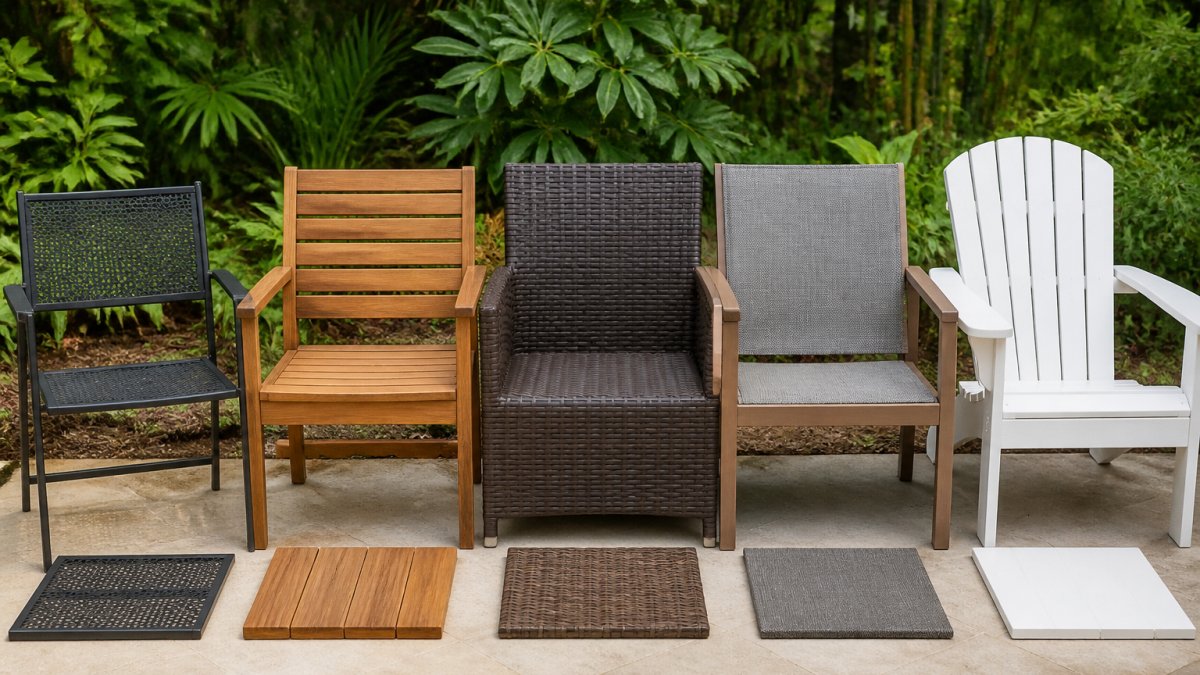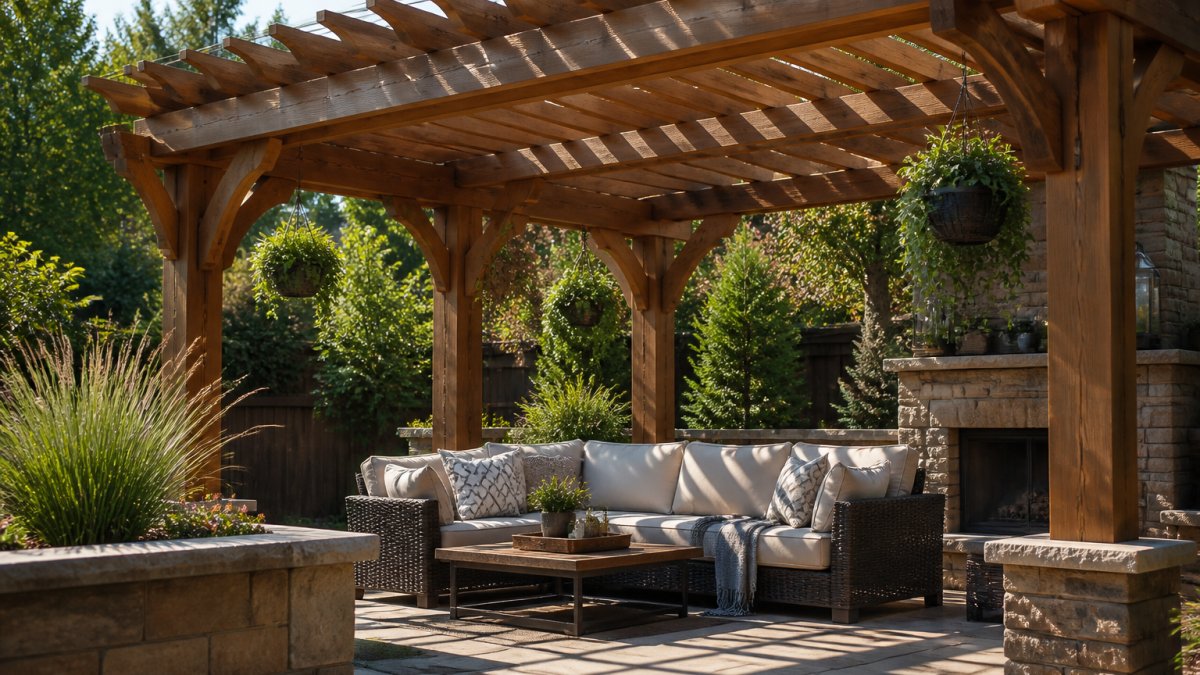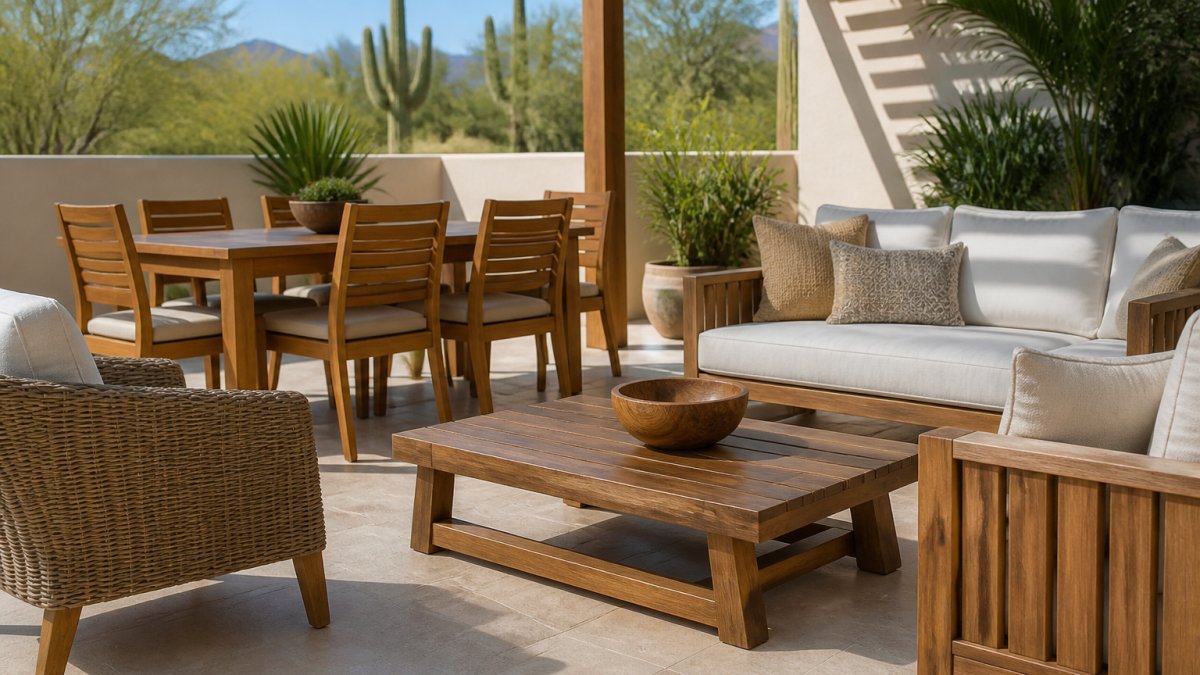
 comparison
Highwood vs Real Wood Furniture Durability: 2026 Guide
Table of Contents
- Highwood vs Real Wood: Durability Compared
- Durability Comparison Table: Highwood vs Wood
- Moisture and Rot Resistance: Where Wood Fails
- UV Resistance and Color Fading Over Time
- Structural Integrity and Fastener Retention
- Maintenance Requirements for Teak Furniture
- How to Protect Patio Furniture in Winter
- Best Outdoor Furniture Materials for Longevity
- Frequently Asked Questions
Last Updated: September 9, 2026
Highwood vs Real Wood: Durability Compared
When homeowners ask about highwood vs real wood furniture durability, they are weighing a synthetic material that mimics lumber against a natural product with centuries of proven use. Each excels in different conditions, and the right choice depends on your climate, your tolerance for maintenance, and whether you value authentic grain over zero upkeep.
Wood furniture durability in outdoor settings is fundamentally a story about moisture, UV light, and structural engineering. Real wood, particularly kiln-dried teak, offers heirloom quality and natural rot resistance, but it demands periodic care. Synthetic poly lumber, often called HDPE, eliminates most maintenance but introduces trade-offs in thermal expansion and aesthetic authenticity.
What Highwood Is Made Of
Highwood is a brand of synthetic poly lumber engineered from high-density polyethylene (HDPE) plastics. Manufacturers combine recycled plastic resins with coloring and UV stabilizers, then extrude the mixture into solid boards that mimic painted wood. The result is a weatherproof material that resists moisture, rot, and insect damage without any sealing or staining.
The defining trait of synthetic poly lumber is its closed-cell structure. Water cannot penetrate the material, so it never warps, cracks, or splits from moisture absorption. The boards are also splinter-free, making them comfortable for bare feet and children. However, because the material is plastic-based, it expands and contracts noticeably with temperature swings, which manufacturers must account for in joinery and fastener placement.
What Counts as Real Wood for Outdoor Use
Real wood for outdoor furniture means kiln-dried hardwood, and the gold standard is teak. Teak contains natural oils that repel water, resist rot, and deter termites, which is why it has been the marine-grade choice for boat decks for over a century. Other options like cedar, eucalyptus, and ipe offer varying degrees of durability, but none match teak's combination of dimensional stability and rot resistance.
Kiln-dried hardwood is wood that has been slowly dried in a controlled chamber to reduce moisture content to around 8-10 percent. This process prevents the wood movement, cracking, and warping that plague improperly dried lumber. When you buy a teak dining set from a reputable source, the kiln-drying step is what separates a piece that lasts decades from one that splits within two seasons.

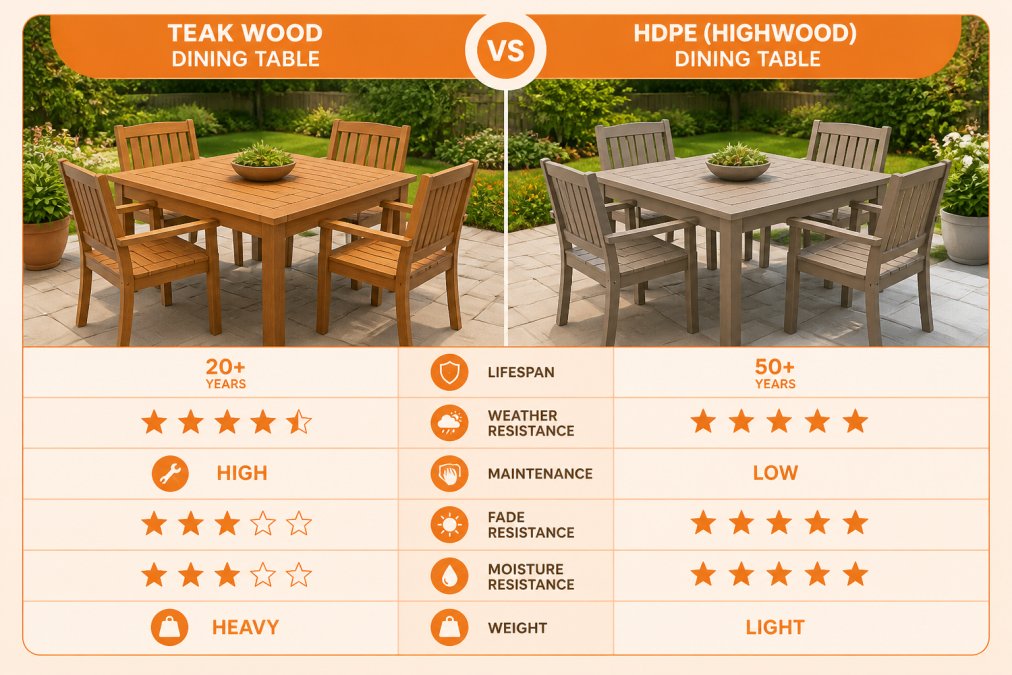
Durability Comparison Table: Highwood vs Wood
The table below summarizes the key durability differences between synthetic poly lumber and kiln-dried teak hardwood.
| Durability Factor | Highwood (HDPE) | Teak Hardwood | Winner |
|---|---|---|---|
| Moisture resistance | Impervious, no water absorption | Naturally oil-rich, highly resistant | Highwood |
| Rot and insect resistance | Complete immunity | Excellent natural resistance | Highwood |
| UV and color fading | Slow fading, gray over years | Silver-gray patina, no structural loss | Teak |
| Structural integrity | Strong but expands with heat | Superior fastener retention, rigid | Teak |
| Repairability | Difficult, color-matched patches | Sand and refinish indefinitely | Teak |
| Maintenance cycle | Wash with soap and water | Annual oiling or cleaning | Highwood |
| Lifespan expectation | 20-25 years | 25-50+ years with care | Teak |
Moisture and Rot Resistance: Where Wood Fails
Moisture is the primary enemy of outdoor wood furniture, and this is where synthetic poly lumber wins decisively. HDPE boards absorb zero water, so they cannot rot, delaminate, or support mold growth. A heavy rainstorm followed by intense sun leaves Highwood furniture unchanged, whereas improperly sealed wood can trap moisture and degrade from the inside.
Kiln-dried teak resists moisture far better than other hardwoods, but it is not immune. Over years of exposure, teak's natural oils deplete, and the surface can develop small checks or cracks if left completely untreated in extreme climates. The structural core of thick teak boards remains sound for decades, but the finish requires attention. For homeowners in consistently humid regions, synthetic materials remove that maintenance burden entirely.
UV Resistance and Color Fading Over Time
Sun exposure affects both materials differently. Synthetic poly lumber contains UV stabilizers that slow color degradation, yet HDPE still fades and grays over several years of intense sun. The fading is cosmetic and uniform, and manufacturers typically warrant against structural failure, not color change. Once HDPE fades, you cannot restore the original color.
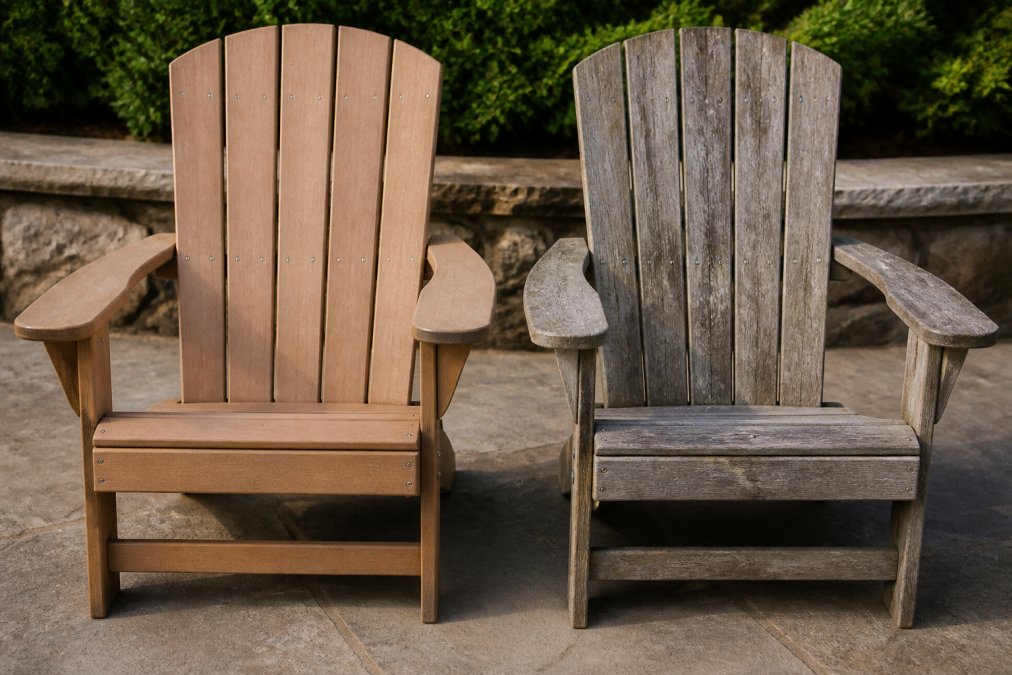
Real teak responds to UV light by developing a beautiful silver-gray patina, a process many owners actually prefer. This color change is surface-deep only; the structural integrity of the wood remains intact beneath the weathered layer. If you want to maintain teak's honey-brown color, you must apply a teak protector with UV inhibitors annually. If you are happy with the silver-gray look, you can let nature do the work with zero effort.

Structural Integrity and Fastener Retention
Structural integrity is where real wood outperforms synthetic materials, and the difference comes down to how each handles fasteners, load, and temperature-driven movement. Wood has high tensile strength and grips screws and bolts firmly, creating joints that remain tight for decades. When you sit on a well-built teak chair, the frame flexes slightly and returns to shape, a sign of genuine wood movement and resilience.
Synthetic poly lumber is strong in compression but behaves differently under sustained load. Because HDPE is a thermoplastic, it has a coefficient of thermal expansion roughly 5 to 10 times greater than that of wood (PubMed). A 6-foot-long HDPE board can expand or contract by as much as 1/4 inch across a typical seasonal swing from 20°F in winter to 95°F in summer (engineeringtoolbox.com). Manufacturers must account for this with oversized pilot holes, slotted brackets, or specialized washers that let the board slide. If fasteners are driven tight, the plastic will eventually crack around the hole or the fastener will loosen as the material cycles through temperature changes.
The material also has more flex than hardwood, a property known as a lower modulus of elasticity. Long unsupported spans, such as table aprons or bench seats, can bow under heavy weight in high heat when the plastic is at its softest. This is why HDPE furniture often feels solid when new but develops a slight wobble or sag after several seasonal cycles.
Real wood, by contrast, is dimensionally stable after proper kiln-drying. A well-built teak chair with mortise-and-tenon joints and waterproof adhesive will hold its shape for decades. The wood's natural rigidity means long spans do not sag, and its ability to grip fasteners tightly means joints stay firm. The trade-off is that wood can split if fasteners are driven too close to the end grain, which is why quality manufacturers pre-drill even in hardwood.
A common pattern among HDPE manufacturers is to design furniture with beefier cross-sections than wood equivalents to compensate for the material's lower stiffness. A 2x4-shaped HDPE board is not as rigid as a true 2x4 of kiln-dried oak, so manufacturers often use a 2x6 or thicker profile for table aprons and seat supports. When comparing a synthetic dining set to a teak set side by side, look at the thickness of the support rails.
Maintenance Requirements for Teak Furniture
Teak furniture rewards owners who understand its maintenance cycle. If left entirely untreated, teak weathers to a silver-gray patina and requires nothing beyond occasional cleaning. If you prefer the rich golden-brown color, expect to clean the surface and apply a teak sealer once or twice per year, depending on sun exposure.
The cleaning process is straightforward: wash with a mild soap solution and a soft brush, rinse thoroughly, and allow the wood to dry completely before applying any protector. Avoid pressure washers, which can erode the soft grain of the wood and create a fuzzy surface (extension.umn.edu). For deeper restoration, sanding lightly with fine-grit paper followed by a fresh coat of sealer brings back the original luster. A premium Grade A teak set, like the 10-Piece Teak Patio Furniture Set, responds beautifully to this care and develops character over time.
How to Protect Patio Furniture in Winter
Winter protection is essential for extending the life of any outdoor furniture, and the approach differs by material and climate. A winter in Minneapolis is fundamentally different from a winter in Phoenix or Miami. Understanding how your regional climate stresses each material is the key to getting the longest life from your investment.
For Real Wood in Cold, Wet Climates (Northeast, Midwest, Pacific Northwest)
The primary threat to teak and other hardwoods in these regions is not the cold itself but the freeze-thaw cycle combined with moisture. When water seeps into tiny checks or cracks and then freezes, it expands and can widen those cracks over time. The priority is preventing moisture entrapment before the first hard freeze. Clean the furniture thoroughly, allow it to dry completely, and apply a final coat of teak protector before storing. If you use covers, choose breathable fabric; plastic tarps trap condensation and accelerate finish failure.
For Real Wood in Arid, High-UV Climates (Southwest, Mountain West)
In desert climates, the winter threat is not moisture but intense UV radiation and extreme temperature swings between warm days and freezing nights. Teak's natural oils dry out faster in arid air, and the wood can develop surface checks from rapid expansion and contraction. A thicker application of teak sealer before winter is more important here than in humid climates. Consider placing furniture in a shaded area during winter to reduce UV stress.
For Synthetic HDPE in All Climates
Synthetic HDPE furniture needs far less winter preparation, but it is not zero. The material itself shrugs off freezing temperatures and will not crack or split from cold. The main risks are to the hardware and the cushions. Wash away dirt and debris, then store cushions indoors, as fabric is the weak point in any outdoor set. Check all bolts and fasteners before winter; because HDPE contracts in cold weather, bolts that were tight in summer may now be loose. Gently re-tighten them, but do not force them, as the plastic is more brittle at low temperatures.
The Unique Angle: Matching Material to Your Regional Climate
Most furniture guides ignore regional climate, but it should be a primary factor in your material choice. In the humid Southeast or Gulf Coast, synthetic HDPE eliminates the rot and mildew concerns that plague even teak over decades. In the arid Southwest, real teak will dry out and check more quickly, but it can be maintained with diligent sealing; HDPE will fade faster under the intense desert sun. In the cold Northeast, both materials survive, but wood requires more annual maintenance to prevent freeze-thaw damage.
A practical approach for mixed climates is to match the material to the specific piece. A dining table on an uncovered deck in Arizona will fade and dry out faster than the same table on a shaded porch in Ohio. Consider your local sun exposure, humidity, and temperature swings when deciding where to place each piece, and adjust your winter routine based on the actual conditions your furniture faces.
Best Outdoor Furniture Materials for Longevity
The best outdoor furniture material for longevity depends on your definition of "lasting." If you want a piece that requires zero maintenance and will look the same in fifteen years as it does today, synthetic poly lumber is the clear winner. HDPE furniture, like our 7-Piece Outdoor HDPE Dining Set in Teak, resists moisture, rot, and insects indefinitely, and a simple soap-and-water wash keeps it fresh.
If you value craftsmanship, authentic grain pattern, and the ability to refinish a piece as it ages, kiln-dried teak is the superior long-term investment. Teak furniture is heirloom quality; it can be sanded, repaired, and refinished for generations. The trade-off is the maintenance cycle and the higher initial cost of premium Grade A teak.
For most homeowners, the practical answer is a hybrid approach. Choose synthetic HDPE for dining sets and high-use pieces where spills and scratches are inevitable, and invest in real teak for statement pieces like lounge chairs or sectional sofas where you want natural beauty and the option to refinish. Both materials outperform the cheap, non-kiln-dried woods and particle board furniture that dominate big-box stores.
Choosing between synthetic poly lumber and real teak ultimately comes down to your priorities around maintenance and aesthetics. Backyard Comfort CO carries both material types because different households have different needs. Our HDPE dining sets offer the look of wood with weatherproof, splinter-free durability and a 20-year warranty, while our premium teak collections provide authentic, refinishable heirloom quality. With free shipping on most orders within the continental U.S. and a 30-day return policy, you can invest with confidence. Get started with Backyard Comfort CO and build an outdoor space that lasts through every season.
Frequently Asked Questions
Is Highwood furniture actually durable in extreme weather?
Yes. Highwood uses synthetic poly lumber, which is a HDPE material. It resists moisture, so it will not rot, warp, or crack like untreated wood. It also holds its color against UV exposure better than most painted woods. However, extreme heat can cause synthetic lumber to expand more than wood, so manufacturers build in allowances for thermal expansion. In freezing winters, HDPE stays flexible and won't become brittle, making it a strong choice for year-round outdoor use.
Does real wood furniture require more maintenance than synthetic alternatives?
Yes, real wood requires more upkeep. Teak and cedar need periodic cleaning and sealing to maintain their color and protect against moisture. Teak naturally weathers to a silver-gray if left untreated, which many owners like, but it still needs an annual cleaning. Highwood HDPE furniture needs only soap and water to stay fresh. If you want minimal maintenance, synthetic poly lumber wins. If you enjoy caring for natural materials and want heirloom quality, real wood is worth the effort.
How does the lifespan of Highwood compare to teak or cedar?
Highwood furniture is designed to last 20 years or more with minimal care, thanks to its weatherproof HDPE construction. Teak is also exceptionally long-lived, often lasting 25 to 50 years when maintained properly, because of its natural oils that resist rot and insects. Cedar is less durable, typically lasting 10 to 15 years outdoors unless heavily treated. Both Highwood and teak outperform cedar, but teak requires more maintenance to reach its full lifespan.
Is Highwood furniture worth the investment for long-term outdoor use?
For most homeowners, yes. Highwood furniture costs more upfront than budget wood options, but it eliminates the need to replace pieces every few seasons. A 7-piece HDPE dining set like the Ezra collection, priced around $1,218, carries a 20-year frame warranty. You avoid costs for sealants, stain, and sandpaper. If you live in a humid or rainy climate, HDPE's rot resistance makes it a smart long-term investment. Choose real teak if you value natural grain and are willing to maintain it.