 listicle
Weather Ready Solid Wood Furniture: What to Buy in 2026
Table of Contents
- Why Solid Wood Furniture Beats Plastic for Outdoor Living
- The Best Wood for Outdoor Furniture by Climate
- How to Seal Outdoor Wood Furniture for Maximum Lifespan
- What to Look for When You Buy Weather Ready Solid Wood
- Maintenance That Keeps Wood Looking New
- Conclusion
- Frequently Asked Questions
Last Updated: September 6, 2026
Why Solid Wood Furniture Beats Plastic for Outdoor Living
Most homeowners replace outdoor furniture every two to three seasons because they bought pieces never designed to face real weather (fs.usda.gov). That cycle costs more over time than investing in a single quality set built to last.
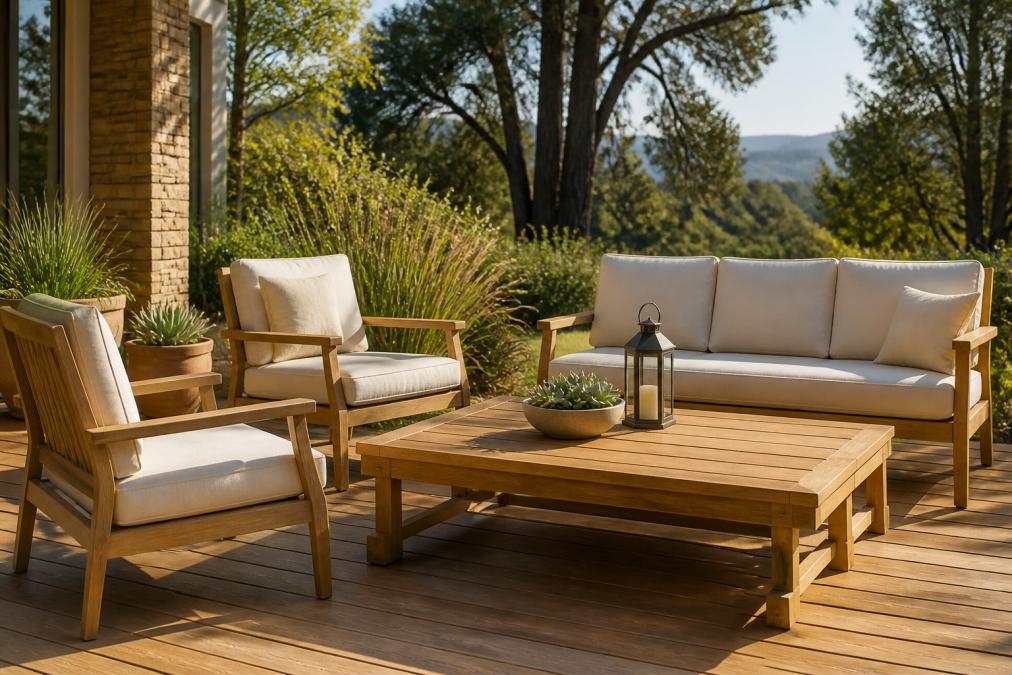
Weather ready solid wood furniture is the smarter long-term investment. Unlike hollow plastic or composite alternatives, solid wood offers structural integrity that improves with age, develops a natural patina, and can be refinished rather than replaced when it shows wear.
At Backyard Comfort CO, we build our entire lineup around this principle: outdoor living spaces should feel permanent, not disposable. Our USDA Forest Service guidance on wood durability confirms what generations of builders have known, certain wood species naturally resist rot, insects, and moisture without chemical treatments.
The real advantage comes down to repairability. A scratched plastic table stays scratched. A weathered wood table gets sanded, sealed, and looks better than new. That single difference changes the economics of outdoor furniture entirely.
Below, we'll walk through which wood species fit your climate, how to seal and maintain them, and exactly what to inspect before you buy weather ready solid wood furniture in 2026.
The Best Wood for Outdoor Furniture by Climate
Most guides treat "weather-ready" as a single standard, but the best wood for your patio depends entirely on where you live. A wood that thrives in the arid Southwest can warp in the humid Southeast, and a species perfect for a covered porch in the Pacific Northwest may rot quickly on an exposed deck in Florida.
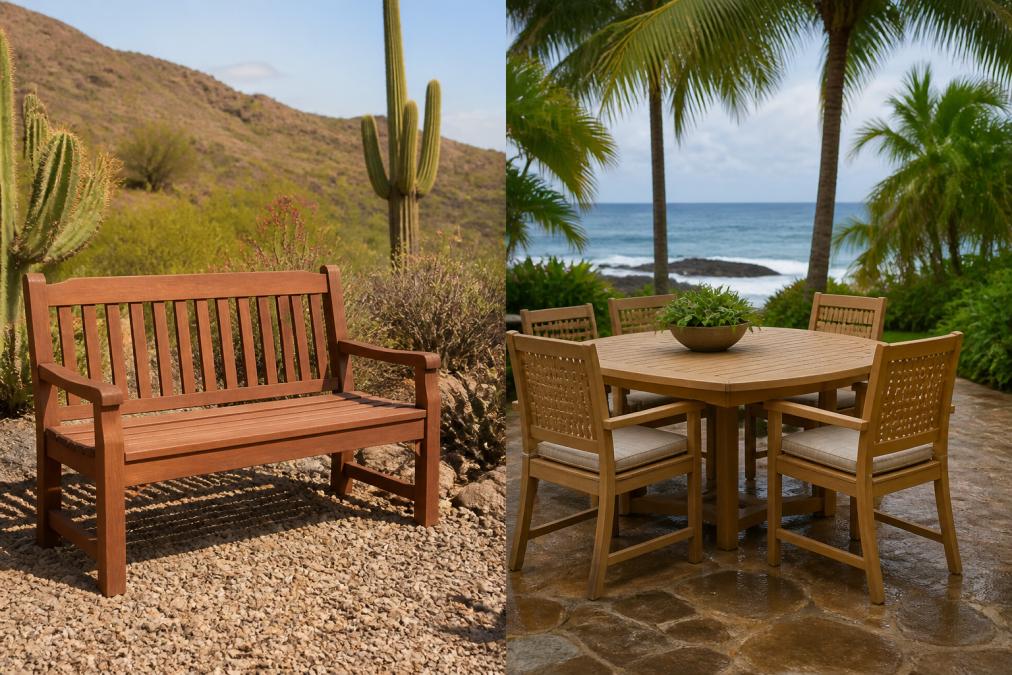
High-Humidity and Coastal Climates (Southeast, Gulf Coast, Pacific Coast)
In regions with high humidity, frequent rain, and salt air, the primary threats are rot, mold, and corrosion. You need wood with high natural oil content that actively repels moisture.
- Teak (Tectona grandis): The undisputed champion for coastal environments. Its high silica and oil content make it impervious to rot, termites, and salt spray (fs.usda.gov). While it carries a premium price, its lifespan in these harsh conditions is measured in decades, not seasons.
- Ipe (Handroanthus spp.): Also known as Brazilian Walnut, Ipe is one of the densest and hardest woods available. Its natural resistance to rot, insects, and fire is so exceptional that it is often used for boardwalks and marine decking. Its extreme density makes it difficult to cut and requires pre-drilling for fasteners.
- White Oak (Quercus alba): Unlike red oak, white oak has closed pores that make it naturally water-resistant. It is a strong choice for wet climates, though it will eventually gray if left unsealed.
Avoid in high humidity: Soft maples, alder, and birch. These woods have open grain structures that absorb moisture readily, leading to rapid decay and warping.
Arid and Desert Climates (Southwest, Intermountain West)
The challenge in arid climates is not moisture but intense UV radiation and extreme temperature swings. The sun bleaches wood, dries out natural oils, and causes significant cracking (checking) as the surface expands and contracts faster than the core.
- Western Red Cedar: Its lightweight, stable nature handles thermal stress well. While it will gray quickly in the intense sun, this is cosmetic, not structural. A UV-blocking sealant is essential here to slow the silvering process and prevent surface checking.
- Pressure-Treated Pine (Southern Yellow Pine): The treatment process makes it resistant to regional insects, and its lower cost makes it practical. However, it is prone to large cracks in extreme heat. Look for "kiln-dried after treatment" (KDAT) lumber, which is less prone to warping.
- Black Locust (Robinia pseudoacacia): A domestic hardwood that rivals teak in durability. It is incredibly rot-resistant with excellent dimensional stability, making it a great choice for the extreme temperature swings of the desert.
Avoid in arid climates: Dense tropical hardwoods like ipe can be prone to surface cracking in extreme, dry heat if not properly maintained with a penetrating oil.
Temperate and Four-Season Climates (Northeast, Midwest)
These regions experience freezing winters, wet springs, and hot, humid summers. The primary enemy is the freeze-thaw cycle, which causes water trapped in the wood to expand and contract, leading to splitting and joint failure.
- Cedar: The all-around performer. It handles humidity swings without warping and its natural oils provide a baseline of rot resistance. Its lightweight nature makes it easier to move into storage for the winter.
- Teak: An excellent choice here as well, as its high oil content prevents water absorption that leads to freeze-thaw damage.
- White Oak: A solid, heavy option that is naturally resistant to moisture penetration.
The Key to Cold Climates: Regardless of species, the most important factor is a high-quality, flexible sealant that can expand and contract with the wood. Rigid, film-forming finishes will crack in winter, allowing water to seep in and cause rot.
A Note on Domestic vs. Plantation Sources
When selecting a species, consider the source. Domestic cedar and oak are typically harvested under strict US forestry regulations. For imported woods like teak, look for Forest Stewardship Council (FSC) certification to ensure it comes from a responsibly managed plantation.
By matching the wood's natural properties to your specific climate challenges, you make an informed investment that will provide decades of service.
How to Seal Outdoor Wood Furniture for Maximum Lifespan
Sealing is the single most important maintenance step for extending the life of outdoor wood furniture, and most owners skip it entirely during the first year.
Start with clean, dry wood. Wash the surface with mild soap and water, let it dry for at least 48 hours, then apply a quality exterior sealant. For cedar and pine, a semi-transparent stain with UV protection works best because it blocks sunlight while letting the natural grain show through.
Teak typically needs no sealant at all. Its natural oils handle moisture and UV exposure, though some owners prefer teak sealer to slow the natural silver-gray patina that develops over time.
Reapply sealant every one to two years depending on sun exposure. Southern climates with intense UV require annual treatment, while shaded or covered installations can stretch to every other year.
What to Look for When You Buy Weather Ready Solid Wood
Buying solid wood furniture online requires more scrutiny than buying in person, because you cannot feel the weight or inspect the joinery firsthand.
Joinery, Grain, and Structural Integrity Checks
Start with the joints. Mortise-and-tenon or dowel joinery signals quality construction, while staples and glue indicate pieces built to fail. Every intersection should fit flush with no visible gaps.
Check the grain pattern. Tight, straight grain indicates mature wood with better structural integrity, while wide grain lines suggest fast-grown timber that warps more readily. Look for solid boards rather than finger-jointed or laminated pieces.
Consider weight and mobility before purchasing. A solid wood pergola or dining set is heavy, which is what you want for wind resistance, but it means planning the delivery path and assembly location in advance. Most quality manufacturers pre-drill and pre-cut their kits to simplify assembly.
Maintenance That Keeps Wood Looking New
Outdoor wood furniture rewards consistent care with decades of service. The maintenance routine breaks into three simple tasks: cleaning, inspecting, and refinishing. The most critical skill is knowing how to restore a piece neglected for several seasons.
The Annual Care Cycle
Clean your furniture twice per year using mild soap, warm water, and a soft brush. Avoid pressure washers, which force water into the grain and damage the wood fibers. After cleaning, inspect all joints and fasteners, tightening anything that has worked loose.
The 5-Year Restoration Guide
Even the best-sealed furniture will eventually show wear. The difference between a piece that lasts and one that needs frequent replacement is often how it is restored.
Step 1: Assess the Damage
Before sanding, determine if the wood is structurally sound or just cosmetically aged.
- Cosmetic aging: A silver-gray patina, light surface checking (small cracks), and a dull finish are all normal and treatable.
- Structural damage: Deep, wide cracks that you can fit a fingernail into, soft or spongy spots, or visible rot indicate a more serious problem. If the rot is localized, you may be able to repair it. If it is widespread, the piece may be beyond saving.
Step 2: Deep Cleaning
For neglected wood, a simple soap-and-water wash is not enough. Use a specialized wood cleaner or a solution of oxygenated bleach (sodium percarbonate) and water to remove mildew, gray oxidation, and old sealant residue. This is gentler than chlorine bleach and will not harm wood fibers or surrounding plants.
Step 3: Sanding
Once dry, sand the entire surface to remove the weathered gray layer and expose fresh wood. Start with medium-grit sandpaper (80-100 grit) and progress to a finer grit (120-150) for a smooth finish. For detailed turnings or carvings, use a sanding sponge or steel wool. Always sand in the direction of the grain.
Step 4: Address Deep Scratches and Gouges
For deep scratches or small gouges, use a two-part epoxy wood filler that matches the wood tone. Apply it with a putty knife, let it cure completely, and then sand it flush with the surrounding surface. This is a permanent repair that prevents moisture from pooling in the defect.
Step 5: Apply a Brightener (Optional)
After sanding, some woods, especially cedar and teak, can look blotchy. A wood brightener containing oxalic acid will neutralize remaining tannin stains and restore a uniform, warm color. This is critical for teak that has developed black spots from mildew.
Step 6: Apply the Finish
Follow the sealing guidelines from the previous section, but pay special attention to the end grain, which absorbs moisture at up to 10 times the rate of the face grain. Apply an extra coat of sealant to all exposed end grain to prevent rot.
Chemical Safety and VOC Considerations
When choosing sealants and finishes, pay attention to their chemical composition. Many traditional oil-based finishes contain high levels of volatile organic compounds (VOCs) that can off-gas into your yard and, more importantly, into your home if the furniture is near a door or window.
- Water-based acrylics: These have very low VOCs, are easy to clean up with soap and water, and offer excellent UV protection. They are the safest choice for families and pets.
- Natural oil finishes (linseed, tung): These are derived from plant sources and have low toxicity. However, they require more frequent reapplication than synthetic options. Look for "polymerized" tung oil, which cures harder and offers better protection.
- Penetrating oils with biocides: Some products contain added fungicides and insecticides. While effective, these are not ideal for food-contact surfaces like outdoor dining tables unless specifically labeled as safe.
Always check the Safety Data Sheet (SDS) for any product you use. The EPA regulates the labeling of antimicrobial claims in paints and coatings, so look for products that are EPA-registered if mold resistance is a primary concern.
Seasonal Storage and Mobility
A final consideration is the physical weight of solid wood furniture. A solid teak dining table can easily weigh several hundred pounds. Plan for this before you buy.
- Delivery path: Measure doorways, gates, and pathways to ensure the furniture can actually reach your patio. A 10-foot-long table may not fit around a tight corner.
- Winter storage: If you live in a climate with harsh winters, consider whether you will move furniture into a garage or shed. If so, look for pieces with removable legs or a modular design that breaks down for easier transport. Using furniture dollies or sliders can prevent back strain and damage to both the furniture and your floors.
By mastering the restoration process, you transform from a passive owner into an active steward of your furniture, ensuring it remains a centerpiece of your outdoor space for generations.
Conclusion
The decision to buy weather ready solid wood furniture comes down to whether you view your backyard as a temporary setup or a permanent extension of your home. Solid wood offers heirloom quality that plastic cannot match, with the ability to refinish, repair, and restore pieces that cheaper materials would send to the landfill.
Backyard Comfort CO builds every pergola and furniture piece with this longevity in mind. Our cedar structures come pre-drilled, pre-cut, and pre-stained, with Pro-Tect testing that proves wind resistance up to 100 mph on select models. With free shipping on most orders within the continental U.S. and a straightforward 30-day return policy, investing in lasting comfort has never been easier.

Get started with Backyard Comfort CO and build an outdoor space that lasts through every season.
Frequently Asked Questions
What is the most weather-resistant wood for outdoor furniture?
Teak ranks at the top for weather resistance because its natural oils repel moisture and insects. Western red cedar follows closely, offering rot resistance and dimensional stability. For solid wood furniture that stays outdoors year-round, look for these species. Pressure-treated pine works when sealed properly, but it requires more upkeep. Cedar offers an excellent balance of durability and cost, which is why it is a popular choice for pergolas and patio furniture.
Is solid wood furniture better than plastic for outdoor use?
Yes, for most homeowners. Solid wood furniture develops a natural patina over time and can be refinished, while plastic (like HDPE poly) may last but lacks the structural integrity and heirloom quality of wood. Wood resists warping better than plastic in extreme heat and handles heavy weight without flexing. Plastic never needs sealing, but wood offers superior aesthetics and can last for many years with proper care.
How do you maintain solid wood furniture outdoors?
Clean your furniture twice a year with mild soap and water, then apply a UV-protective sealant or wood preservative. Cedar and teak naturally resist decay, but a quality outdoor finish shields against moisture and sun damage. Inspect joints and hardware each spring, tightening anything loose. If the finish dulls, sand lightly and reapply. This routine takes a few hours per year and prevents the need for costly replacements.
How long does weather-ready solid wood furniture typically last?
With proper sealing and annual maintenance, cedar and teak furniture can last for many years outdoors. The key is choosing wood species with natural rot resistance and protecting them with a weatherproof finish. Backyard Comfort CO pergolas, for example, are pre-stained and built from 100% cedar, with Pro-Tect testing confirming they withstand winds up to 100 mph. Without maintenance, even the best wood degrades faster.