 listicle
Summer Classics Alternatives for Durable Furniture
Table of Contents
- Why Summer Classics Alternatives Matter for Long-Term Outdoor Investment
- Durable Patio Furniture Materials Guide: What Actually Lasts
- How to Maintain Outdoor Furniture for Longevity
- Best Weather-Resistant Patio Furniture Brands and Options
- Lifecycle Cost Analysis: Why Upfront Investment Pays Off
- Regional Climate Considerations for Furniture Selection
- Repairability and Parts Availability: A Hidden Durability Factor
- Conclusion
Last Updated: August 27, 2026
Why Summer Classics Alternatives Matter for Long-Term Outdoor Investment
When homeowners shop for outdoor furniture, they often face a choice between premium brands and budget options. The real issue isn't the price tag, it's what happens after year two. Cheap patio sets show their weaknesses: fading cushions, rusted frames, splintering wood. Premium brands like Summer Classics command high prices, but that cost reflects durability standards that most alternatives struggle to match. The difference comes down to material selection, construction quality, and honest maintenance expectations. Summer Classics alternatives for durable furniture exist at multiple price points, and understanding which materials deliver real longevity is the key to making a decision you won't regret in five years.
Durable Patio Furniture Materials Guide: What Actually Lasts
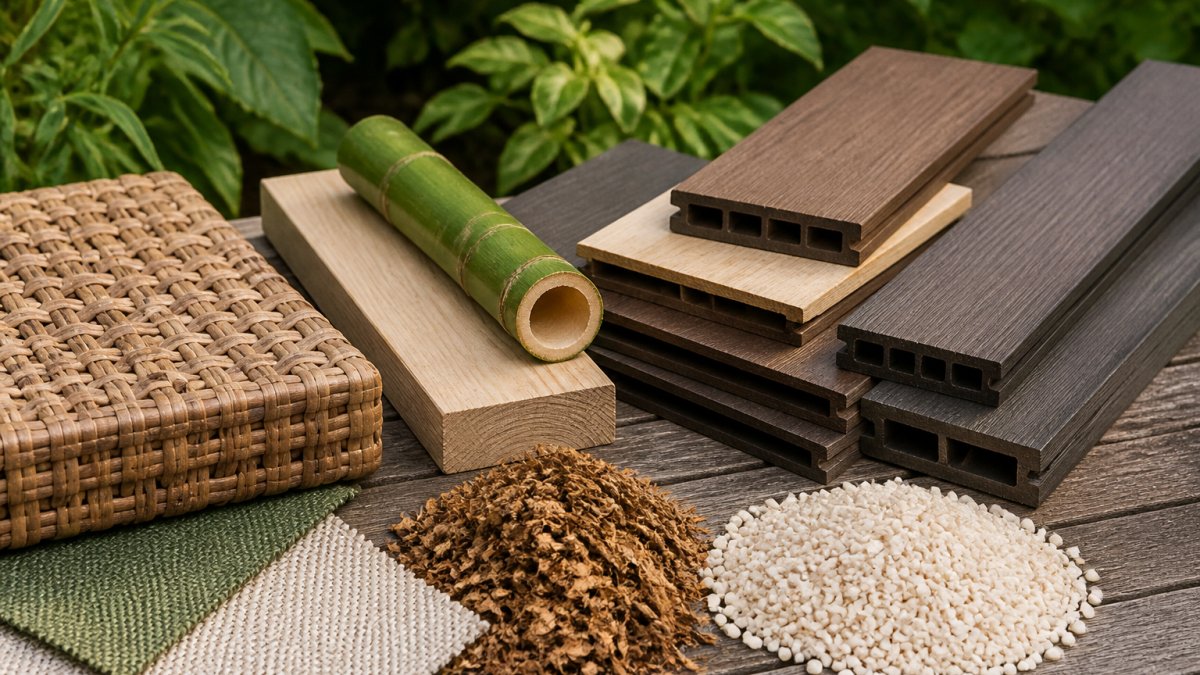
The materials you choose determine everything: how your furniture handles UV rays, moisture, temperature swings, and salt air in coastal regions. Three material categories dominate the durable furniture market, each with distinct performance characteristics and maintenance profiles.
Wrought Aluminum and Steel: Rust-Resistant Durability
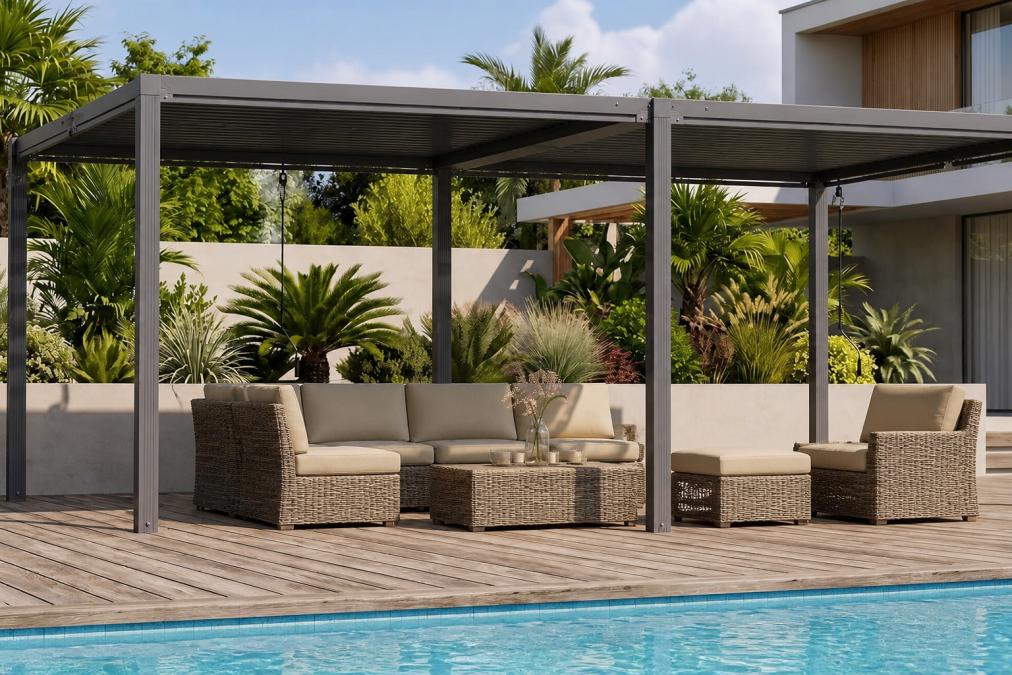
Wrought aluminum frames have become the industry standard for outdoor structures because they offer genuine rust resistance without the weight of steel. Unlike iron, aluminum develops a protective oxide layer that prevents further corrosion. Steel components require powder-coating or galvanization to create a protective barrier. Reinforced steel louvers in pergola systems are engineered to withstand winds up to 72 mph while maintaining structural integrity through temperature fluctuations. Heavy-duty powder-coat finishes last 15+ years with minimal maintenance, while thinner coatings fail within a few years (astm.org).

Aluminum and steel structures require almost no active maintenance beyond occasional cleaning with a garden hose and mild soap. What matters is the initial material quality and coating application, not ongoing refinishing.
Solution-Dyed Synthetic Wicker: UV Ray Resistant and Low-Maintenance
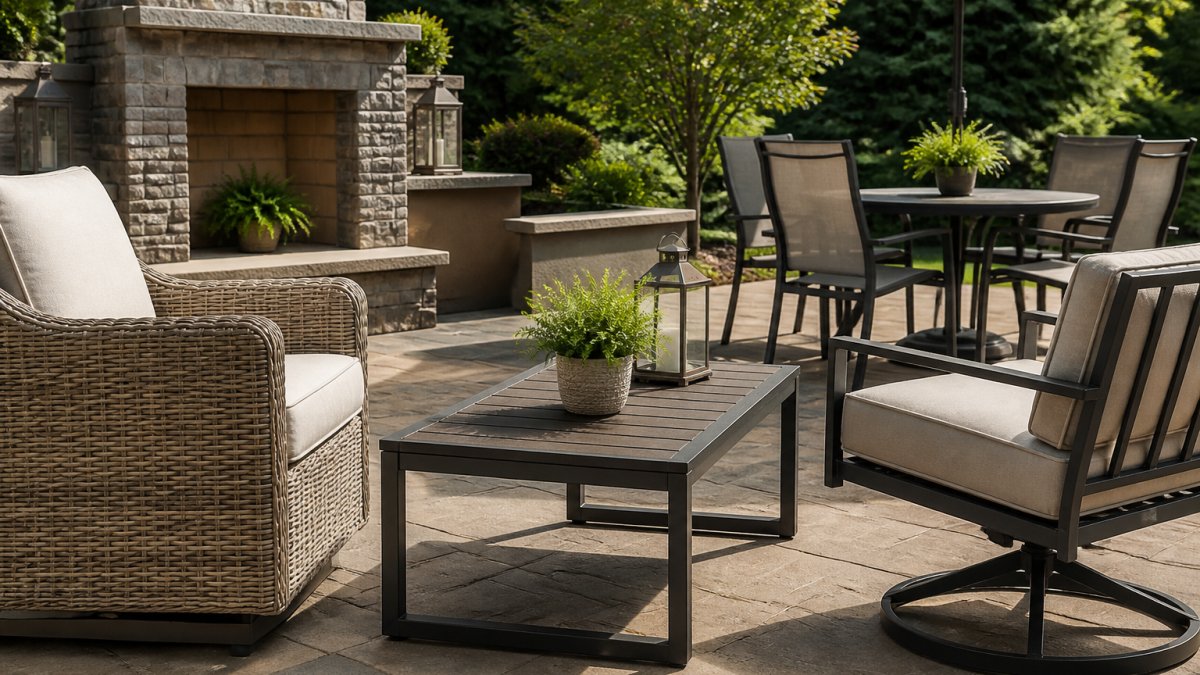
Solution-dyed synthetic wicker represents a fundamental shift from natural wicker. Manufacturers extrude polymer strands with color integrated throughout the material, so fading happens from the outside in over years rather than months. This means UV ray resistance directly correlates to how your furniture looks after five seasons. Natural wicker exposed to direct sun fades dramatically within two years. Solution-dyed synthetic wicker maintains its color integrity for 7-10 years under continuous sun exposure (peer-reviewed research). The material won't rot, splinter, or absorb moisture, eliminating the cracking and warping problems that plague natural wicker in humid climates.
Synthetic wicker can become brittle in extreme cold or develop surface cracks if exposed to temperature swings above 100 degrees Fahrenheit. For most climates, this isn't a practical concern.
HDPE Resin Wicker: Wood Appearance, Weather-Resistant Performance
HDPE (high-density polyethylene) resin wicker delivers the wood aesthetic that many homeowners prefer without the maintenance burden of actual wood. Quality manufacturers create pieces that genuinely resemble teak or cedar from a distance while offering substantial performance advantages: HDPE won't splinter, crack, or require refinishing. A 7-piece HDPE dining set maintains its appearance through 15+ years of outdoor use with nothing more than occasional soap-and-water cleaning (the FTC). The material resists moisture absorption, so it won't swell in humidity or shrink in dry seasons.
One practical consideration: HDPE can show minor surface scratches more visibly than natural wood, and the material has slight temperature sensitivity in extreme heat.
How to Maintain Outdoor Furniture for Longevity
Durability isn't determined solely by material choice, maintenance practices directly impact how long any piece actually lasts. The difference between furniture that looks new after ten years and furniture that looks tired after five often comes down to seasonal care routines.
Seasonal Care and Weather Protection
Spring preparation sets the tone for the entire season. Before using outdoor furniture after winter storage, clean all surfaces with mild soap and water. For aluminum structures, a soft brush removes accumulated dust or debris. For synthetic wicker and HDPE pieces, gentle scrubbing with a soft cloth prevents mold or mildew growth before it becomes visible.
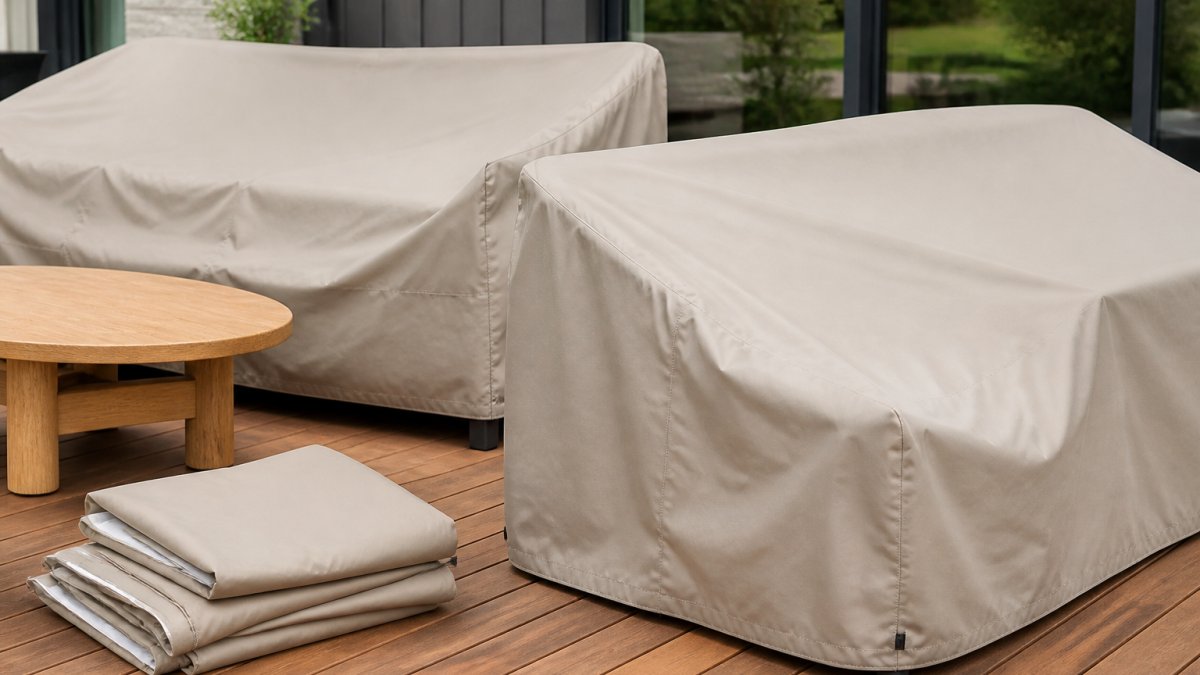
Fall protection is equally important. As temperatures drop and humidity increases, cover furniture that won't be used regularly. Quality covers are designed with breathable material that prevents moisture buildup while blocking UV rays. Non-breathable covers trap condensation, which accelerates deterioration.
For regions with harsh winters, storage decisions depend on material type. Aluminum structures can remain outdoors year-round. HDPE and synthetic wicker furniture benefits from covered storage in climates where temperatures regularly drop below 20 degrees Fahrenheit, though it won't be damaged if left exposed.
Cleaning and Colorfastness Prevention
Regular cleaning prevents buildup that accelerates material degradation. Dust and debris trap moisture against furniture surfaces, creating conditions for mold growth and color fading. A monthly cleaning routine during active season takes 15-20 minutes and extends furniture life by years.
For synthetic wicker and HDPE, mild soap and water with soft-bristle brushing is sufficient. Avoid pressure washers, which can force water into seams and damage weave integrity. Colorfastness depends on UV protection and regular maintenance. Solution-dyed synthetic materials maintain color better than painted or stained surfaces, but all materials benefit from shade during peak sun hours.
Best Weather-Resistant Patio Furniture Brands and Options
When evaluating weather-resistant patio furniture, focus on material specifications and construction details rather than brand reputation alone. Many manufacturers claim durability without backing it up with material science or warranty terms.
Aluminum Louvered Pergolas: Adjustable All-Weather Structures
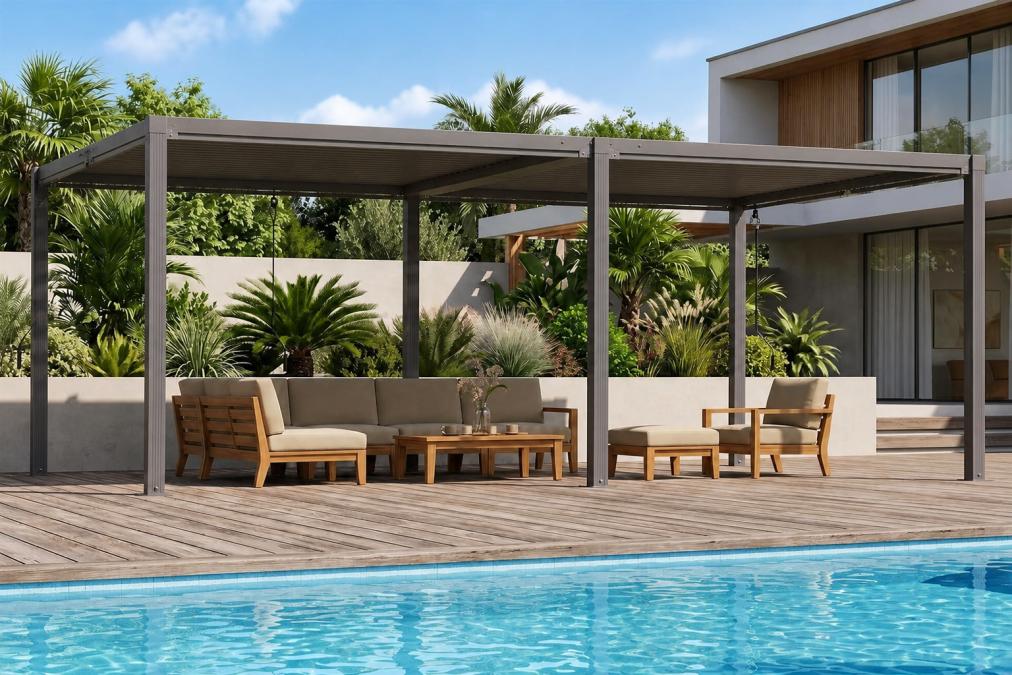
Louvered pergolas represent the highest tier of outdoor structure durability because they combine weather-resistant materials with functional design. The adjustable louvers manage sun exposure, airflow, and water drainage, which directly impacts the longevity of furniture and structures beneath them.

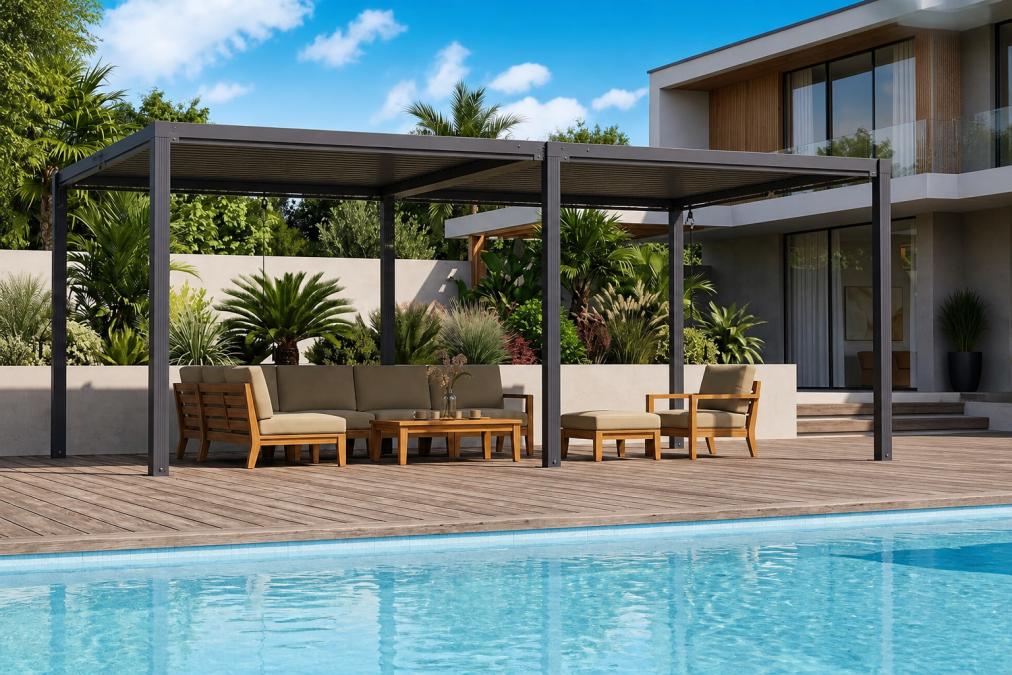
Heavy-duty powder-coated aluminum frames with reinforced steel louvers are engineered to withstand 72+ mph winds and include integrated drainage systems that prevent water pooling, a critical feature in regions with heavy rainfall. The practical advantage of adjustable louvers: you control sun filtration and shade throughout the day and season. This protects furniture underneath from peak UV exposure, which extends the life of cushions, fabric, and any wood or synthetic surfaces. These are permanent installations designed to last 20+ years with minimal maintenance.
HDPE Dining Sets: Splinter-Free Wood-Look Alternatives
For families prioritizing low maintenance and safety, HDPE dining sets deliver the aesthetic of wood without the ongoing care. These sets include smooth, splinter-free surfaces that remain safe for children even after years of outdoor use. HDPE won't develop the sharp splinters that plague wooden furniture as it weathers. The material resists cracking and peeling, which means you're not refinishing or repainting every few years like you would with treated wood.
These dining sets pair well with pergola structures. The shade provided by adjustable louvers reduces UV exposure to cushions and fabric, while the solid frame handles temperature swings without warping. Together, they create a cohesive outdoor living space built for longevity.
Lifecycle Cost Analysis: Why Upfront Investment Pays Off
The real comparison isn't the initial price, it's the total cost over 10-15 years. A budget patio set that lasts three seasons costs significantly more per year than a quality set that lasts 15 years. This calculation shifts dramatically when you factor in structural elements. A durable pergola that lasts 20 years costs far less per year than a cheaper alternative that lasts 5 years and creates the frustration of rebuilding your outdoor living space repeatedly.

The hidden costs of cheap furniture include replacement labor, disposal of old pieces, and the time spent shopping and assembling new sets. These aren't included in the sticker price, but they're real costs that accumulate. Quality furniture eliminates these recurring expenses. Additionally, durable outdoor spaces increase home value and usability. A well-maintained patio with quality furniture becomes a genuine living space where families spend time year-round.
Regional Climate Considerations for Furniture Selection
Material performance varies dramatically by region. What works in a dry climate fails in a humid coastal environment, and what thrives in moderate temperatures struggles in extreme heat or cold.
Coastal and High-Humidity Regions: Salt air accelerates corrosion of unprotected metal, and moisture promotes mold growth on natural materials. Aluminum structures with heavy-duty powder coating and solution-dyed synthetic wicker are ideal. HDPE resists moisture absorption, making it excellent for these climates. Avoid untreated wood and painted metal frames.
Hot, Arid Climates: UV ray intensity is extreme, which fades colors and degrades materials rapidly. Solution-dyed synthetic materials and HDPE hold color better than painted surfaces. Aluminum structures provide shade without absorbing heat the way wood does. Adjustable pergolas become essential for managing sun exposure during peak hours.
Cold Climates with Seasonal Temperature Swings: Materials that expand and contract with temperature changes develop cracks and warping. Aluminum structures handle these swings without degradation. HDPE can become brittle in extreme cold, though it won't be damaged. Storage during winter is practical for furniture not designed for sub-zero conditions.
High-Rain Regions: Integrated drainage systems matter more than material type. Pergolas with built-in gutters and downspouts prevent water pooling and damage. Furniture with proper ventilation underneath prevents moisture accumulation. Solution-dyed materials and HDPE resist water damage better than natural materials.
Match material selection to your specific climate rather than choosing based on general "durability" claims.
Repairability and Parts Availability: A Hidden Durability Factor
True durability includes the ability to repair or replace components when needed. A pergola that lasts 20 years but can't be repaired when a louver mechanism fails is less durable than one with available replacement parts. Louvered pergolas designed with standard components and pre-drilled bases allow for future modifications or repairs. If a louver needs replacement, the modular design allows for targeted repair rather than replacing the entire structure.
For furniture, check whether replacement cushions, seat covers, and frame components are available from the manufacturer. HDPE dining sets from established manufacturers maintain parts availability for years, which means you can refresh cushions or replace a damaged chair without retiring the entire set. This repairability factor should influence your purchasing decision. A slightly more expensive piece from a manufacturer that supports long-term repairs is more durable overall than a cheaper alternative from a company that discontinues products after two years.
The choice between Summer Classics alternatives for durable furniture ultimately comes down to matching material specifications to your climate, understanding the true maintenance requirements, and calculating lifecycle costs rather than sticker price. Quality outdoor furniture and structures are engineered for 15-20 year lifespans because durability is built into material selection and construction quality. With free shipping on most orders within the continental U.S. and a straightforward 30-day return policy, investing in outdoor furniture that actually lasts has never been more accessible. Explore collections of weather-resistant patio furniture and structures designed to transform your backyard into a permanent retreat that improves year after year, not one that needs replacing every few seasons.
Frequently Asked Questions
Q: What makes summer classics alternatives a smart choice for durable furniture?
A: Summer Classics alternatives offer comparable durability and design at different price points by using weather-resistant materials like aluminum, solution-dyed synthetic wicker, and HDPE resin. These materials resist UV damage, corrosion, and fading without requiring constant refinishing. Many alternatives come with proven structural integrity, making them solid investments for homeowners who want furniture that lasts decades without the premium brand markup.
Q: How do I choose between teak and synthetic materials for patio furniture?
A: Teak offers natural beauty and inherent rot resistance but requires annual oiling to maintain color and prevent weathering. Synthetic alternatives like HDPE resin wicker capture wood's appearance while resisting cracking, peeling, and fading, requiring only occasional soap-and-water cleaning. For busy homeowners in harsh climates, synthetics provide superior durability with minimal maintenance. For those valuing authentic wood aesthetics and willing to invest in upkeep, teak remains a premium choice with excellent longevity when properly maintained.
Q: What materials make outdoor furniture the most durable?
A: Wrought aluminum and reinforced steel rank highest for structural durability, withstanding winds over 72 mph without warping or rusting when powder-coated. Solution-dyed synthetic wicker and HDPE resin excel at UV ray resistance and colorfastness, resisting fading and deterioration. Thermally modified ash and premium teak offer natural rot resistance. The most durable setups combine aluminum or steel frames with solution-dyed cushion fabrics and all-weather hardware, creating pieces that maintain structural integrity and appearance for 20+ years.
Q: What should I look for when buying weather-resistant patio furniture?
A: Prioritize corrosion-resistant frame materials like powder-coated aluminum or stainless steel hardware. Check for solution-dyed fabrics rather than surface-dyed ones, they resist fading far longer. Look for integrated drainage systems in pergolas and sealed joints that prevent water pooling. Verify warranty length and confirm the manufacturer offers replacement parts. Test cushion performance by checking if outdoor fabrics are high-performance textiles designed for moisture resistance and durability.
Q: Are there affordable alternatives to high-end outdoor furniture brands?
A: Yes. Quality alternatives exist across multiple price tiers using durable materials. HDPE dining sets start around $1,218.87 and offer minimal maintenance. Aluminum louvered pergolas with adjustable louvers and integrated drainage systems range from $1,466.62 to $2,597.00 depending on size, providing all-weather functionality comparable to luxury options. The key is matching materials to your climate and maintenance capacity, synthetic options reduce long-term costs by eliminating refinishing, while solid construction ensures structural longevity regardless of brand.
This article was written using GrandRanker