
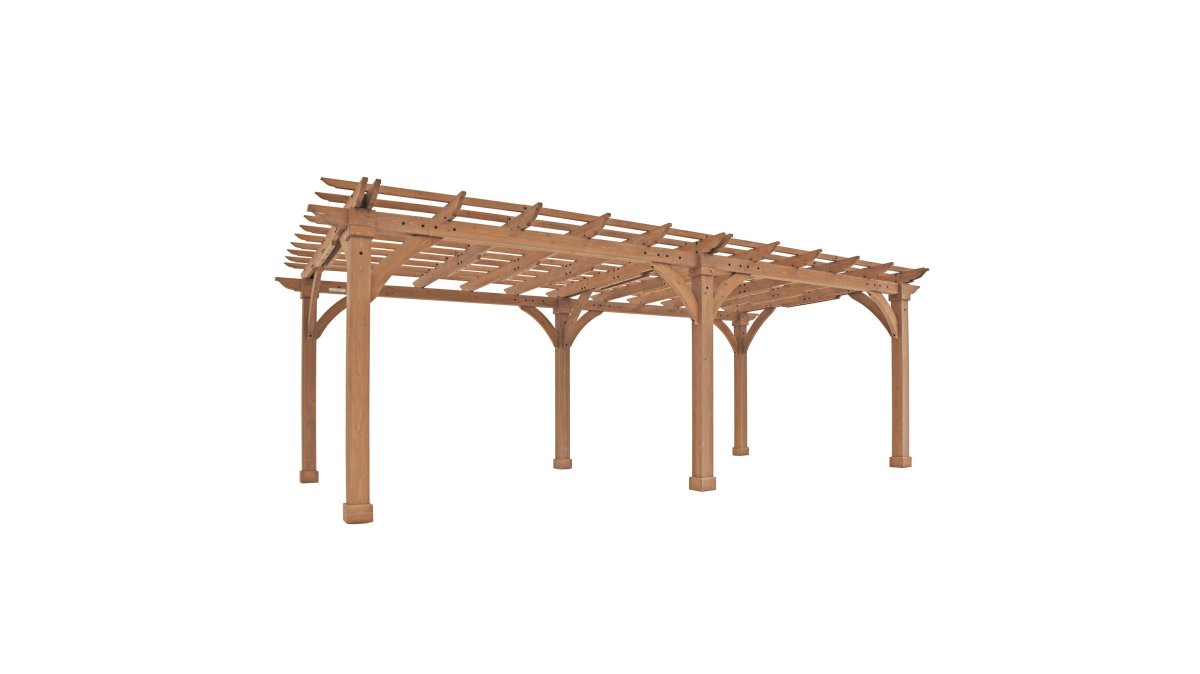
 ultimate-guide
Modern Wood Pergolas: 2026 Buying Guide & Ideas
Table of Contents
- Why Modern Wood Pergolas Outperform Other Outdoor Structures
- Cedar Pergola Kits: The Best Wood for Lasting Beauty
- Modern Design Ideas: Clean Lines, Metal Accents, and Custom Dimensions
- Comparing Top Modern Wood Pergolas: Features, Sizes, and Pricing
- DIY vs Professional Pergola Installation: Which Is Right for You?
- Pergola Maintenance Tips for Year-Round Durability
- Permitting and Zoning: What to Check Before You Buy
- Frequently Asked Questions
Last Updated: September 28, 2026
Why Modern Wood Pergolas Outperform Other Outdoor Structures
Modern wood pergolas deliver something a steel gazebo or fabric canopy cannot: a permanent structure that ages with your yard instead of against it. At Backyard Comfort CO, we offer durable, weather-ready outdoor living solutions designed to transform your space into a permanent, comfortable retreat.
This guide breaks down what actually matters when buying modern wood pergolas: wood species, structural requirements, real pricing, and the permitting steps most buyers skip until it costs them.
The core difference comes down to material honesty. Wood flexes, breathes, and can be refinished. Powder-coated steel dents and rusts at the weld points. Aluminum stays light but feels temporary. A wood structure with proper footings and load-bearing posts becomes part of the property, not an accessory sitting on top of it.
American Wood Council guidance on structural wood design
Here's what most buyers get wrong: they shop by appearance first and structural capacity last. That order should be reversed.
Cedar Pergola Kits: The Best Wood for Lasting Beauty
Cedar pergola kits are the strongest starting point for most homeowners, and Western Red Cedar specifically earns that reputation for good reason. The wood contains natural oils that resist rot, mold, and insects without chemical treatment, and its tight grain holds stain evenly across knotty cedar and clear grade lumber alike.

Cedar also handles UV exposure better than most softwoods. It will silver over time if left unfinished, which many homeowners actually prefer, but a stainable finish keeps the original reddish-brown tone intact for years.
Cedar vs. Pressure-Treated Lumber: What Lasts Longer?
Pressure-treated lumber costs less upfront and holds up reasonably well when properly maintained, but it comes with trade-offs cedar avoids. The treatment chemicals can react with metal fasteners over time, and the wood tends to check and crack as it dries. Cedar's natural weather resistance means fewer surprises in humid or coastal climates.
Ipe, Mahogany, and Cedar: Choosing the Right Species
Cedar is the value leader, but it isn't the only species worth pricing. The three woods that dominate modern pergola builds each solve a different problem.
Ipe (Brazilian Walnut) is the hardest of the group and the closest thing to a maintenance-free wood pergola. Its density, often compared to that of concrete, means it resists scratching, denting, and insect damage better than any softwood. The trade-off is weight and workability: Ipe is heavy, requires pre-drilling for every fastener, and dulls standard carbide blades quickly. Expect to pay a significant premium over cedar, and expect to re-oil it periodically if you want to preserve its deep brown color rather than let it weather to a silver-gray patina.
Mahogany sits between cedar and Ipe on both hardness and price. Genuine Mahogany (often sold as Honduran Mahogany) machines cleanly, holds a rich reddish-brown tone with minimal finish, and resists rot well in humid climates. It's the species most often specified when a homeowner wants a furniture-grade look rather than a rustic one. The catch is sourcing: Mahogany is more expensive than cedar and availability fluctuates, so lead times can stretch.
Cedar remains the best all-around choice for most buyers because it balances rot resistance, workability, weight, and cost.
American Wood Council guidance on structural wood design
Modern Design Ideas: Clean Lines, Metal Accents, and Custom Dimensions
Contemporary design separates a modern wood pergola from a traditional one, and the difference is mostly restraint. Crisp clean lines come from square-cut posts, consistent rafter spacing, and skipping the ornate scrollwork that defined pergolas a decade ago.

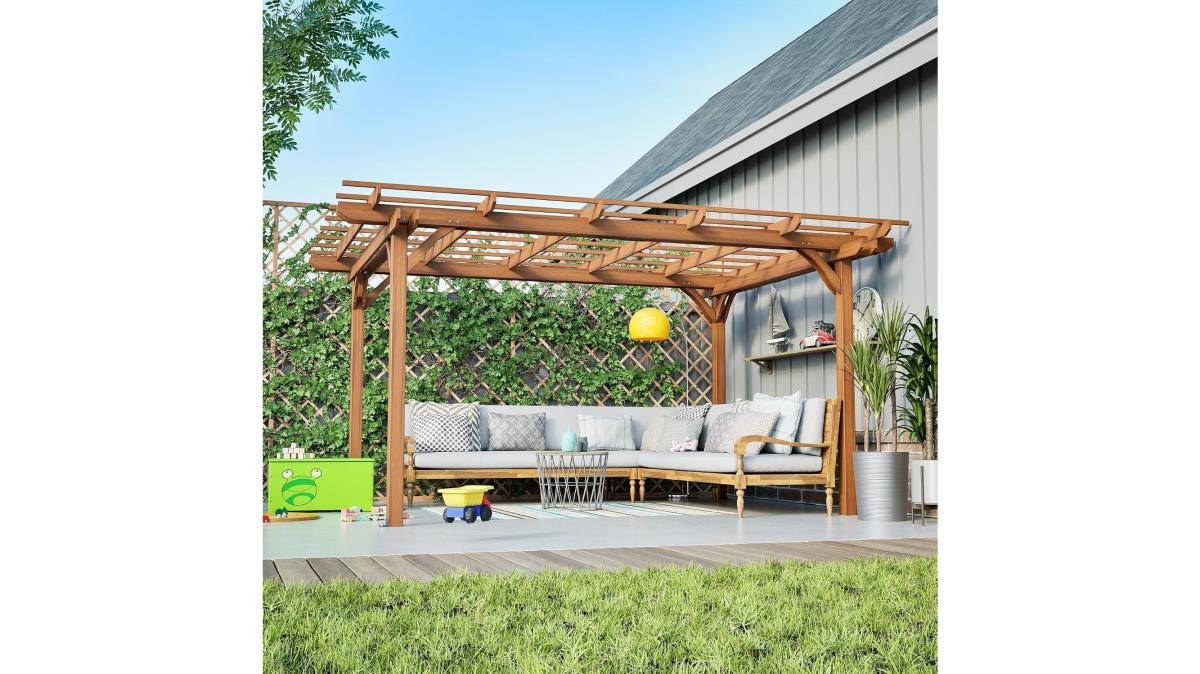
Three design moves do most of the work:
- Square posts over turned posts. A 6x6 square post reads modern; a turned or fluted post reads traditional. Keep the profile consistent from footing to beam.
- Consistent rafter spacing. Even spacing, typically 16 to 24 inches on center, creates the rhythm that makes a pergola look designed rather than assembled. Wider spacing means more sun; tighter spacing means more shade.
- Hidden or minimized hardware. Where brackets are visible, make them a deliberate accent (matte black, bronze) rather than a mismatch. Where they aren't, use concealed connectors.
Choosing the Right Size and Footprint for Your Yard
A few rules of thumb that save rework:
- Dining for six: a 10x12 footprint fits a 72-inch table with chairs pulled out.
- Lounge seating: a 12x12 gives you room for a sofa, two chairs, and a coffee table without crowding.
- Shade coverage: rafters running east-west cast shade that moves north-south across the day; orient the long axis of the pergola to match how you actually use the space.
- Post placement: posts land at the corners of your footprint, so confirm they don't block a door swing, a grill, or a walking path before you commit.
If your yard slopes, plan for taller posts on the low side and confirm the beam height stays above head clearance at the lowest point. A pergola that looks level from the house can feel cramped from the far corner.
Comparing Top Modern Wood Pergolas: Features, Sizes, and Pricing
Pergola pricing tracks closely with wood species, size, and hardware quality. Here's how the main options compare.
| Pergola | Size | Material | Price | Best For |
|---|---|---|---|---|
| Premium Cedar Pergola with Trellis Roof | 12 x 24 ft | Solid cedar, weatherproof stain | $1,732.26 | Large patios, plant support |
| Wood Pergola | 12 x 24 ft | Premium wood | $3,711.64 | Entertaining spaces, large gatherings |
| Solid Wood Pergola | 12 x 10 ft | Laminated pine posts | $3,464.21 | Classic arched design, smaller yards |
| Outdoor Wood Pergola Grape Trellis | 12 x 10 ft | Solid fir | $952.00 | Budget builds, climbing plants |
DIY vs Professional Pergola Installation: Which Is Right for You?
DIY pergola installation is realistic for most homeowners when the kit includes pre-cut components and pre-drilled connectors. Budget a full weekend for a two-person build, and expect the footing work to take as long as the frame assembly.
Foundation and Structural Requirements You Can't Skip
Foundation anchoring decides whether your pergola survives a storm. Every post needs a footing set below your local frost line, and the post-to-beam connection needs to resist uplift, not just gravity.
- Footings: concrete piers sized to your frost depth, typically 30-42 inches in colder regions
- Hardware: expansion bolts or embedded post bases, never toe-nailed connections
- Load path: confirm posts, beams, rafters, and purlins all transfer load to the footings
- Bracing: diagonal bracing or knee braces where wind uplift is a concern
FEMA guidance on wind-resistant outdoor structure anchoring
Pergola Maintenance Tips for Year-Round Durability
Pergola maintenance tips boil down to inspection, cleaning, and refinishing on a schedule rather than on a whim. Check hardware twice a year, clear debris from rafter intersections after storms, and address any wood checking before it becomes a split.
Staining and Sealing: A Long-Term Protection Plan
A long-term protection plan means staining every two to three years in most climates, more often under intense sun. Clean the wood first, let it dry completely, then apply an oil-based or water-based finish depending on your species. Cedar accepts both; treated pine performs better with oil-based products.
Permitting and Zoning: What to Check Before You Buy
Permitting and zoning rules vary by municipality, and they're the reason a pergola you love can become a pergola you can't build. Call your local building department before ordering anything.
HUD guidance on local building permit requirements
Frequently Asked Questions
What defines a modern wood pergola design?
Modern wood pergolas feature crisp, clean lines with minimal ornamentation, often using thicker posts and evenly spaced rafters for a structured look. Many incorporate metal connectors or black hardware for an industrial aesthetic. Unlike traditional designs with curved brackets and elaborate scrollwork, modern styles prioritize geometric simplicity. Cedar and clear grade lumber are popular choices because their smooth grain supports contemporary design without distracting knots.
Do I need a building permit for a backyard pergola?
Permit requirements vary by municipality and depend on the structure's size, height, and whether it's attached to your home. Many areas require a permit for pergolas exceeding certain square footage or height thresholds. Before purchasing, check with your local building department about zoning setbacks, load-bearing capacity requirements, and inspection schedules. Some jurisdictions also have homeowner association rules that govern structure placement and appearance.
How do modern wood pergolas compare to aluminum structures?
Wood pergolas offer natural warmth, stainable finishes, and the ability to support climbing plants more easily than aluminum. Cedar provides natural mold and pest resistance. Aluminum requires less maintenance and won't rot, but it can feel hot in direct sun and lacks the architectural character many homeowners want. Wood also allows for custom dimensions and on-site modifications that prefabricated metal kits cannot match. The trade-off is periodic staining and sealing.
What are the best maintenance practices for cedar or redwood pergolas?
Apply a UV protection stain or sealant every one to two years to prevent graying and moisture damage. Clean the structure annually with a soft brush and mild soap to remove dirt and mildew. Inspect post-to-beam connections and foundation anchoring points each spring for loosened hardware. Trim climbing plants to prevent excess weight on the shade canopy. In snowy regions, remove accumulation from the roof within 24 hours to protect structural integrity.
The gap between a pergola that lasts decades and one that sags by year three comes down to wood species, footing depth, and hardware quality, not design trends. Backyard Comfort CO builds solid wood structures with weather-ready materials, free shipping on most continental U.S. orders, and a 30-day return policy, so you can plan your backyard transformation without worrying about replacements. Browse the cedar and solid wood pergola kits and get started on a structure built for every season.