
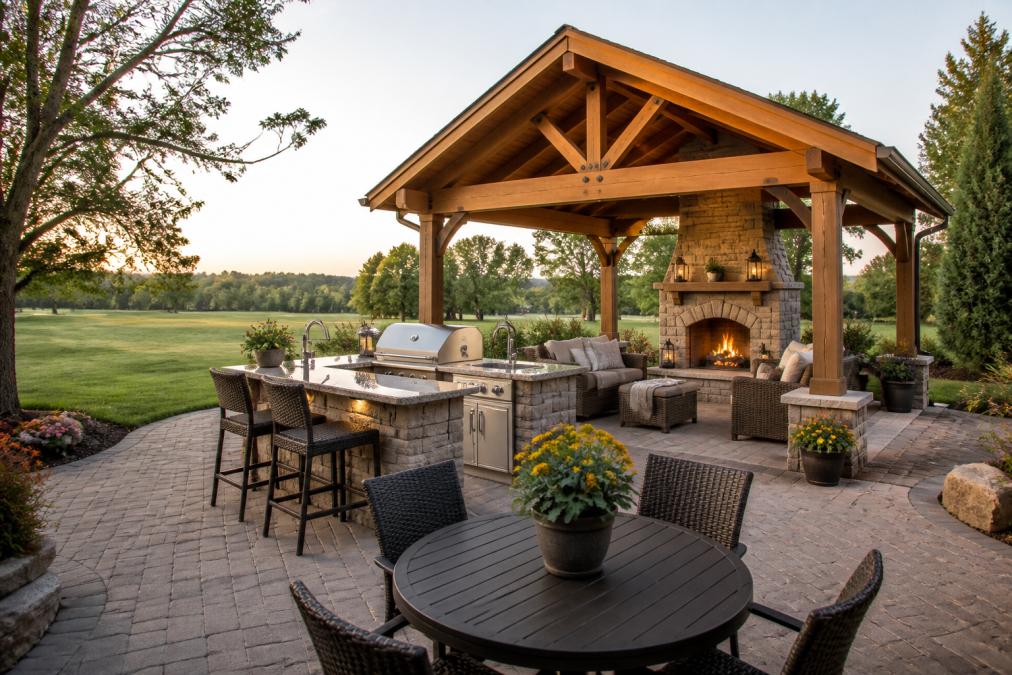
 ultimate-guide
How to Choose Permanent Backyard Structures: 2026 Guide
Table of Contents
- Start With Your Space: Sizing and Placement
- Pergola vs Gazebo vs Pavilion: Which Structure Fits
- The Best Materials for Outdoor Structures That Last
- Backyard Structure Permit Requirements and Zoning Rules
- Foundation, Anchoring, and Site Preparation
- Engineering for Your Climate: Snow Load and Wind Resistance
- DIY vs Professional Installation: A Decision Framework
- How Permanent Backyard Structures Add Resale Value
- Frequently Asked Questions
Last Updated: September 16, 2026
Start With Your Space: Sizing and Placement
Choosing permanent backyard structures starts with an honest measurement of what you're working with, not a catalog. A structure that's too large overwhelms a patio; one that's too small never gets used. Before anything else, map your space.
Walk the yard with a tape measure and note three things: the total square footage available, the path people actually walk, and where the sun lands at midday and late afternoon. Most homeowners skip the sun check and regret it. A pergola placed on the wrong side of a patio can turn a shaded seating area into an oven.
Setback requirements matter here too. Many municipalities require structures to sit a certain distance from property lines, often measured in feet. Check your local zoning code before you commit to a footprint, because moving a structure after installation is not an option.
- Measure usable square footage, not the whole yard
- Track sun and shade through the day
- Confirm setback distances from property lines
- Leave clearance for doors, gates, and utility access
Pergola vs Gazebo vs Pavilion: Which Structure Fits
The difference comes down to how much coverage and enclosure you want. A pergola is an open framework that provides partial shade, a gazebo is a fully roofed structure that's often enclosed, and a pavilion is a larger open-sided shelter with a solid roof.
For most backyards, a pergola hits the sweet spot. It defines an outdoor living space without walling it off. If you want adjustable shade rather than a fixed slatted roof, a louvered pergola lets you rotate the slats to control sun and airflow.

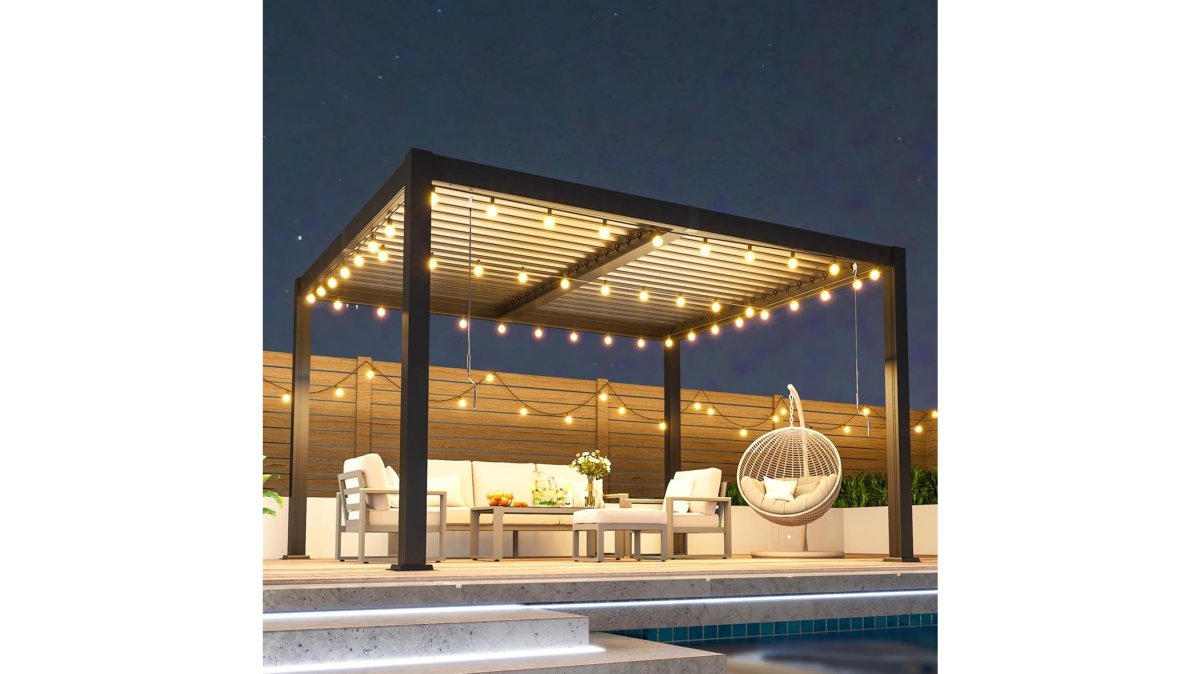
| Structure | Coverage | Best For | Shade Control |
|---|---|---|---|
| Pergola | Partial to adjustable | Patios, dining areas | Manual or louvered |
| Gazebo | Full roof | Seating, hot tubs | Fixed |
| Pavilion | Full roof, open sides | Large gatherings | Fixed |
Pergola: Best for homeowners who want an open, airy feel with defined shade. The trade-off is less rain protection unless you choose a hardtop or louvered model.
Gazebo: Best for full weather coverage and a more enclosed retreat. The drawback is that a fully roofed structure can feel closed-in on a small lot.
Pavilion: Best for entertaining larger groups. It costs more and needs more space, so it suits bigger yards.
The Best Materials for Outdoor Structures That Last
Material choice decides how long a structure lasts and how much upkeep it demands. The four common options are pressure-treated lumber, cedar or other natural wood, powder-coated aluminum, and vinyl or composite.
Wood remains the most popular choice for its warmth and how well it fits into a landscape. Cedar and pressure-treated lumber both hold up well when finished and maintained, though they need periodic sealing or staining. Powder-coated aluminum resists rust and moisture and needs almost no upkeep, which makes it a strong pick in humid or coastal climates. Vinyl and composite sidings never need painting, but they can look flat next to natural wood.
- Pressure-treated lumber: Affordable, needs sealing every few years
- Cedar and natural wood: Attractive, weathers to a silver-gray if left unfinished
- Powder-coated aluminum: Rust-resistant, low maintenance, handles UV exposure
- Vinyl and composite: No painting, limited design flexibility
The right answer depends on your climate and how much maintenance you're willing to take on. In harsh sun or heavy humidity, aluminum and composite hold their finish longer than bare wood.
Backyard Structure Permit Requirements and Zoning Rules
Most permanent backyard structures require a building permit, and the rules vary widely by municipality. Size, height, and whether the structure is attached to your home all affect whether you need approval. This is the step most homeowners rush, and it is the one that can force a teardown.
The general rule: small, low structures under a certain footprint often qualify for an exemption, while anything with a solid roof, electrical service, or a foundation usually needs a permit. Zoning regulations also govern setbacks, height limits, and how much of your lot can be covered by structures.
Foundation, Anchoring, and Site Preparation
A permanent structure is only as stable as what holds it down. Foundation type depends on the structure and your soil: a concrete slab works for heavier pavilions and gazebos, while deck footings or concrete piers suit most pergolas.
- Level and grade the site for drainage
- Call 811 before any digging
- Choose footings that match structure weight
- Anchor with expansion bolts, not surface brackets
Engineering for Your Climate: Snow Load and Wind Resistance
Climate determines the engineering specs your structure needs, and this is where cheap options fail. Snow load rating measures how much accumulated snow a roof can hold. Wind resistance measures the speed a structure can withstand without failing. These are not marketing extras; they are structural limits.
DIY vs Professional Installation: A Decision Framework
Whether to install yourself or hire a pro comes down to structure size, your comfort with tools, and local rules. Use this framework to decide.
- Under 10x10, kit-based, no electrical: DIY is realistic for two people
- Over 12x12 or roofed: Hire a pro or at least a helper crew
- Requires a permit and inspection: A licensed installer simplifies approval
- Involves electrical or gas: Always hire a licensed professional
- Uneven ground or custom foundation: Professional site prep is worth it
How Permanent Backyard Structures Add Resale Value
A well-built structure can raise your home's curb appeal and give buyers a reason to linger in the yard. Real estate agents consistently point to outdoor living space as a feature that helps homes sell, because it extends usable square footage without a full addition.
National Association of Realtors outdoor feature trends
Frequently Asked Questions
What qualifies as a permanent backyard structure?
A permanent backyard structure is anything anchored to the ground and intended to stay in place year-round. That includes pergolas bolted to concrete, gazebos with post mounts, pavilions, and hardtop shade structures. The key difference from temporary structures is the foundation and anchoring. Most building departments treat anything anchored to a concrete slab or deck with expansion bolts as permanent, which means it may trigger permit requirements that a pop-up canopy would not.
Do I need a building permit for a permanent backyard structure?
It depends on your local zoning regulations and the size of the structure. Many jurisdictions require a permit for structures over a certain square footage, often 100 to 200 square feet, or for anything attached to your home. Setback requirements from property lines also apply. Before ordering, call your local building department with the exact dimensions and foundation type. Skipping this step can mean fines or forced removal later.
What are the most durable materials for outdoor structures?
Powder-coated aluminum resists rust, moisture, and UV damage and works well in humid or coastal climates. Pressure-treated lumber and cedar offer structural strength and natural looks but need periodic sealing. Vinyl siding over a wood or metal frame cuts maintenance. Composite materials split the difference. For year-round use, aluminum frames with integrated drainage and UV-blocking louvers hold up with the least upkeep.
How much space do I need for a permanent outdoor structure?
A 10 by 10 foot pergola fits a small bistro set or lounge chairs. A 12 by 20 foot structure handles a full dining table plus seating. Measure your patio or lawn first, then check setback requirements, usually 3 to 10 feet from property lines depending on your area. Leave room for foot traffic around the structure and access to utilities like hose bibs or outdoor outlets.
How do I choose between a pergola, gazebo, and pavilion?
A pergola has an open or louvered roof that offers partial shade and airflow, best for patios and grilling areas. A gazebo is fully roofed and often screened or walled, suited to bug-prone or rainy regions. A pavilion is a larger open-sided structure with a solid roof, ideal for entertaining. Match the type to your climate, how much shade you need, and whether you want an open or enclosed feel.
What wind and snow ratings should I look for?
For most U.S. regions, look for a wind resistance rating of at least 70 mph if you live in an area with severe storms. Snow load ratings matter in northern states. Some aluminum pergolas support up to 6 inches of snow accumulation at 55 pounds per square meter. Check your local building code for the minimum snow load rating required in your zone before buying.
The hard part of choosing permanent backyard structures isn't picking a style, it's getting the engineering, permits, and materials right so the structure lasts. Backyard Comfort CO offers solid wood pergolas and weather-ready outdoor living pieces built to withstand every season, backed by free shipping on most orders within the continental U.S. and a 30-day return policy. Get started with Backyard Comfort CO and turn your backyard into a retreat that holds up year after year.