 listicle
7 Best Outdoor Furniture Materials for Extreme Weather
Table of Contents
- How We Matched Materials to Extreme Weather
- Quick Comparison: Best Outdoor Furniture Materials
- 1. HDPE Lumber: The All-Weather Workhorse
- 2. Powder-Coated Aluminum: The High-Wind Champion
- 3. Teak Wood: The Classic for Coastal Conditions
- 4. Synthetic Wicker and Resin: Lightweight and UV-Resistant
- 5. Stainless Steel: For Hot and Humid Climates
- 6. Wrought Iron and Cast Aluminum: The Heavyweights
- How to Protect Patio Furniture in Winter
- Choosing the Right Material for Your Climate
- Frequently Asked Questions
Last Updated: September 7, 2026
Choosing the right outdoor furniture materials for extreme weather often feels like picking between bad options: wood that rots, metal that rusts, or plastic that fades. The reality is that no single material survives every climate, but seven specific options consistently outperform the rest when matched to the right conditions. This guide breaks down exactly which outdoor furniture materials handle each extreme so you can stop replacing pieces every few seasons.
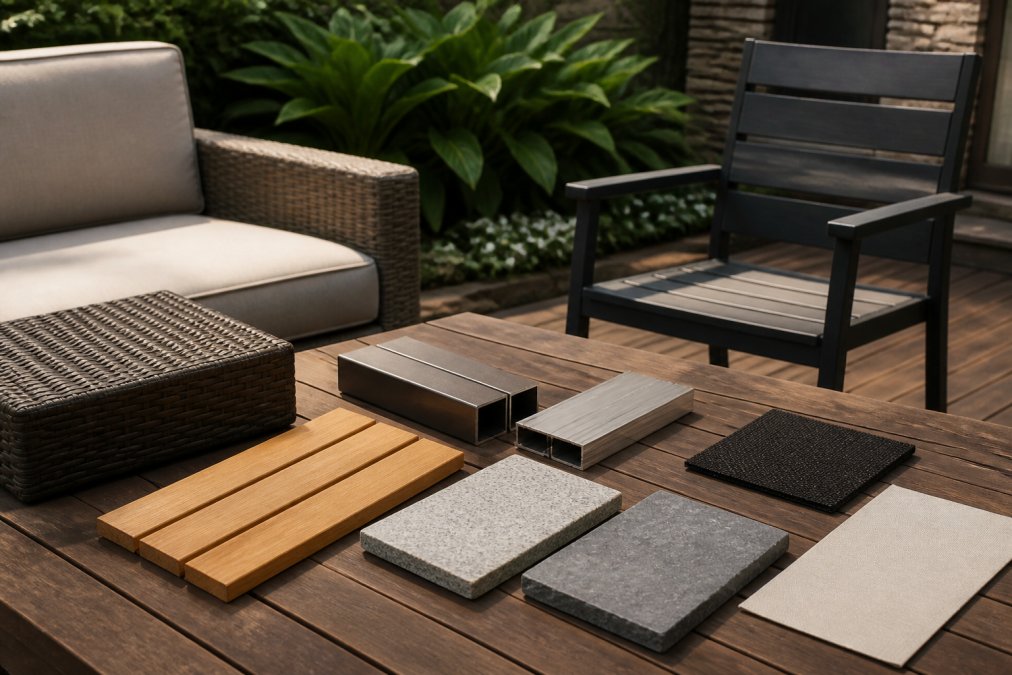
The seven best outdoor furniture materials for extreme weather are HDPE lumber, powder-coated aluminum, teak wood, synthetic wicker, stainless steel, cast aluminum, and wrought iron. Each one excels in a specific climate profile, and the table below shows which material pairs with your local conditions. Below, we will walk through the strengths, honest limitations, and maintenance reality of each so you can match the material to your micro-climate rather than guessing.

How We Matched Materials to Extreme Weather
Most buying guides rank materials by general durability, which misses the point entirely. A material that thrives in salt spray can crack under desert UV exposure, and a heavyweight champion in calm coastal air becomes a projectile in high-wind zones. The matching framework here weighs four factors that actually decide longevity: moisture resistance, UV longevity, thermal expansion tolerance, and structural weight relative to wind load.
FEMA's guidance on wind-resistant construction emphasizes that anchoring and weight-to-surface-area ratio matter more than material strength alone when storms arrive. That insight shapes how we evaluate each option below. A lightweight resin chair may resist rust perfectly but needs a heavy base or strap-down system in gusty regions, while a dense cast aluminum piece handles wind through sheer mass.
Quick Comparison: Best Outdoor Furniture Materials
| Material | Best Climate | Wind Resistance | Maintenance | Lifespan Expectancy |
|---|---|---|---|---|
| HDPE Lumber | All-weather, coastal | Moderate | Wash with soap and water | 20+ years |
| Powder-Coated Aluminum | High wind, humid | Excellent | Wipe down occasionally | 15-25 years |
| Teak Wood | Coastal, salt air | Moderate | Annual oiling optional | 25-50 years |
| Synthetic Wicker | Dry heat, UV intense | Low to moderate | Hose off, cover in winter | 5-10 years |
| Stainless Steel | Hot, humid | Excellent | Clean to prevent pitting | 20+ years |
| Cast Aluminum | Coastal, high wind | Excellent | Minimal | 20-30 years |
| Wrought Iron | Calm, dry climates | Excellent | Annual rust treatment | 25+ years |
The material that wins for many homeowners is HDPE lumber, which is why it leads this list (the FDA). It resists splitting, warping, and fading while requiring almost no upkeep, making it an outdoor furniture material that genuinely delivers on the maintenance-free promise.
1. HDPE Lumber: The All-Weather Workhorse
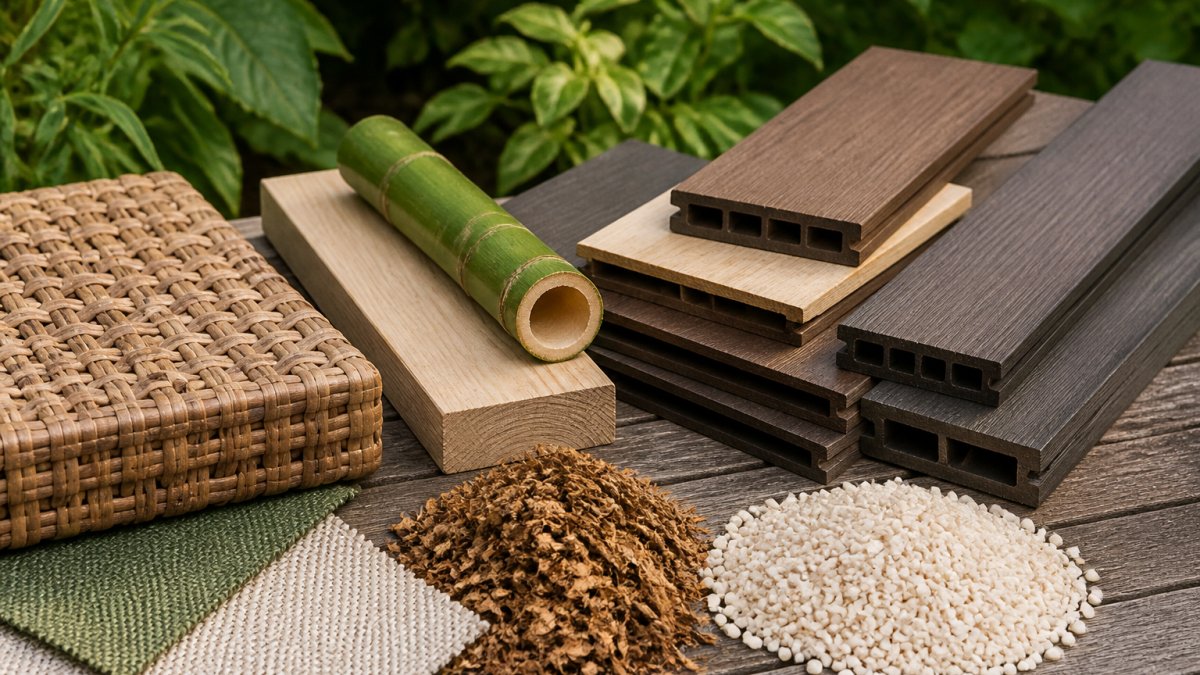
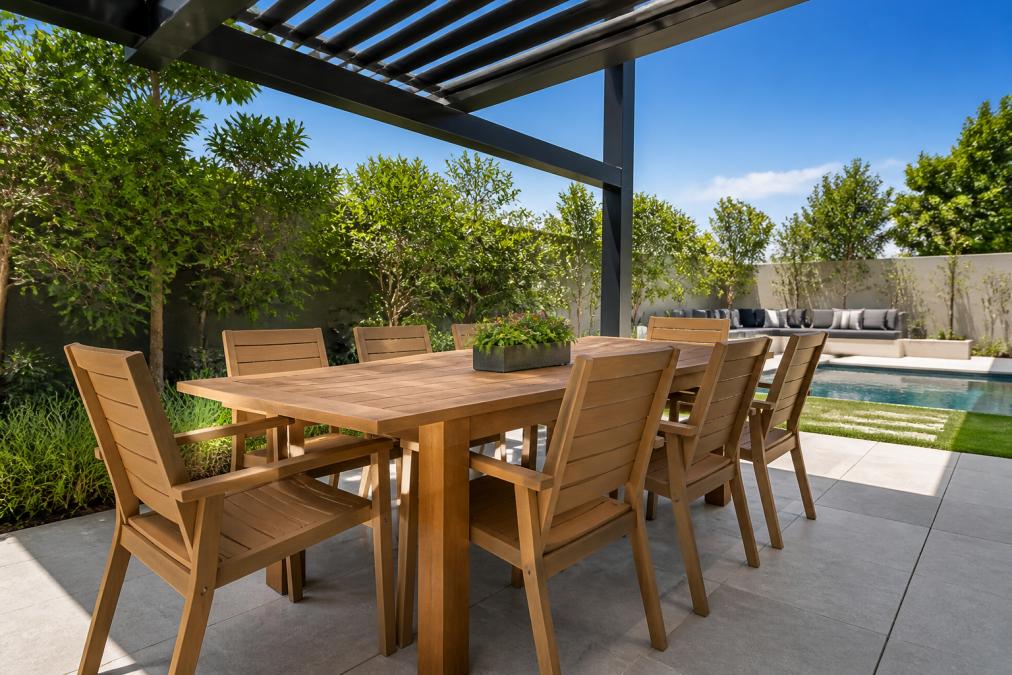
HDPE polymer lumber is the closest thing to a universal outdoor furniture material. Made from recycled high-density polyethylene, it captures the look of real wood while eliminating the failure points that destroy timber: rot, insect damage, splitting, and warping. The boards are solid through the core, so they hold up to heavy use without cracking.
What makes HDPE stand out in extreme weather is its tolerance for both salt spray and intense sun. The color is infused through the entire board rather than coated on top, which means fading happens slowly and evenly instead of peeling. A quick wash with soap and water restores the original appearance, and the material never needs sealing or staining.
The honest tradeoff is upfront cost. Quality HDPE furniture costs more than resin or low-grade wood, but the math favors it over time when you factor in replacement cycles. At Backyard Comfort CO, our Ezra [HDPE dining(/products/ezra-7-piece-outdoor-hdpe-dining-set-teak) sets | backyardcomfortco.com] carry a 20-year warranty on the frame, which reflects the confidence manufacturers have in this material's lifespan.
2. Powder-Coated Aluminum: The High-Wind Champion
Powder-coated aluminum earns its place on this list through a combination of light weight and exceptional corrosion resistance. The aluminum base never rusts, and the powder coating adds a tough outer layer that resists chipping, scratching, and UV degradation. This makes it the best outdoor furniture material for high wind areas where you need to move pieces under cover quickly.
The coating process matters more than most buyers realize. A quality powder coat bonds to the metal at a molecular level, creating a finish that withstands salt spray and extreme temperature fluctuations without cracking.
Wind performance is where aluminum truly shines. The material's strength-to-weight ratio means frames can be engineered with thick walls and reinforced joints without becoming immovable. For structures like pergolas, this structural integrity is critical. Our louvered aluminum pergola is engineered to withstand winds up to 72 mph, using a heavy-duty powder-coated frame and reinforced steel louvers that resist warping and rust.
3. Teak Wood: The Classic for Coastal Conditions
Teak wood has protected boats and seaside homes for centuries, and for good reason. Its high natural oil content repels moisture, resists rot, and prevents the warping that destroys most hardwoods in coastal conditions. Grade-A teak, harvested from mature trees, contains enough of these oils to withstand decades of salt spray without structural failure.
The beauty of teak lies in its aging process. Left untreated, it weathers from a warm honey brown to a distinguished silver-gray patina, a surface change that does not affect structural integrity. If you prefer the original golden tone, annual application of teak oil maintains the look, but this is purely cosmetic. The wood itself remains sound either way.
The USDA Forest Service's research on tropical hardwood durability confirms that teak's natural extractives provide exceptional resistance to both fungal decay and termite attack.
The real consideration with teak is sourcing and cost. Genuine grade-A teak commands a premium price, and lower-grade plantation teak with less oil content will not match the longevity of the real thing.
4. Synthetic Wicker and Resin: Lightweight and UV-Resistant
Synthetic wicker, woven from resin-based fibers around an aluminum or steel frame, solves the biggest problem of natural wicker: moisture absorption. The acrylic resins and polyethylene fibers repel water completely, so they do not rot, mildew, or harbor insects. This makes synthetic wicker a practical choice for covered patios and porches in humid climates.
Where synthetic wicker excels is UV resistance. High-quality resin fibers include UV stabilizers that prevent the brittleness and fading that destroy cheap wicker within a single summer. The weave also allows airflow, which keeps seating surfaces cooler than solid materials in direct sun.
The tradeoff appears over time. The woven fibers can loosen or snag, and once the weave begins to fail, repair is difficult. The underlying frame determines overall lifespan, so look for powder-coated aluminum frames rather than steel, which can rust from the inside out. Synthetic wicker also ranks lower for wind resistance, since the lightweight construction catches gusts like a sail. Covering pieces during winter storage extends their life considerably.
5. Stainless Steel: For Hot and Humid Climates
Stainless steel belongs on this list for one specific environment: hot, humid climates where moisture and heat accelerate corrosion in other metals. The chromium content in stainless steel creates a passive oxide layer that self-repairs when scratched, providing ongoing protection that painted or galvanized steel cannot match.
Grade matters enormously. Marine-grade 304 stainless steel contains higher nickel and chromium levels, making it far more resistant to pitting and crevice corrosion than the 430 grade used in budget furniture. In coastal or poolside environments where chlorine and salt are present, 304 stainless is the only sensible choice.
The maintenance reality of stainless steel surprises many owners. While it resists rust, it does collect surface discoloration and water spots in humid air. Regular cleaning with a mild detergent removes these deposits, and occasional polishing restores the mirror finish. In practice, stainless steel furniture demands more attention than HDPE or aluminum, but it delivers an aesthetic that suits outdoor kitchens and dining areas.
6. Wrought Iron and Cast Aluminum: The Heavyweights
Wrought iron and cast aluminum represent opposite ends of the weight spectrum, yet both earn their place through sheer structural presence. Wrought iron offers timeless elegance and immense durability, but it requires honest maintenance. The material rusts when the protective coating fails, so annual inspection and touch-up painting are non-negotiable in any climate with moisture.
Cast aluminum delivers the same visual weight as wrought iron without the rust risk. The molten aluminum is poured into molds, creating intricate designs that mimic the classic look of iron. Since the material is inherently corrosion-resistant, a quality powder coat keeps cast aluminum looking new for decades with minimal upkeep.
The weight-to-wind-resistance ratio favors both materials in gusty regions. A solid cast aluminum table or wrought iron bench resists wind through mass alone, eliminating the need for constant repositioning or anchoring. The downside is mobility. These pieces stay where you place them, so plan the layout before they arrive.
For homeowners seeking this heavyweight reliability in a structure, the vinyl Monterey canopy pergola offers a weather-resistant alternative that requires no painting or rust treatment while providing the permanent presence of a built structure.
How to Protect Patio Furniture in Winter
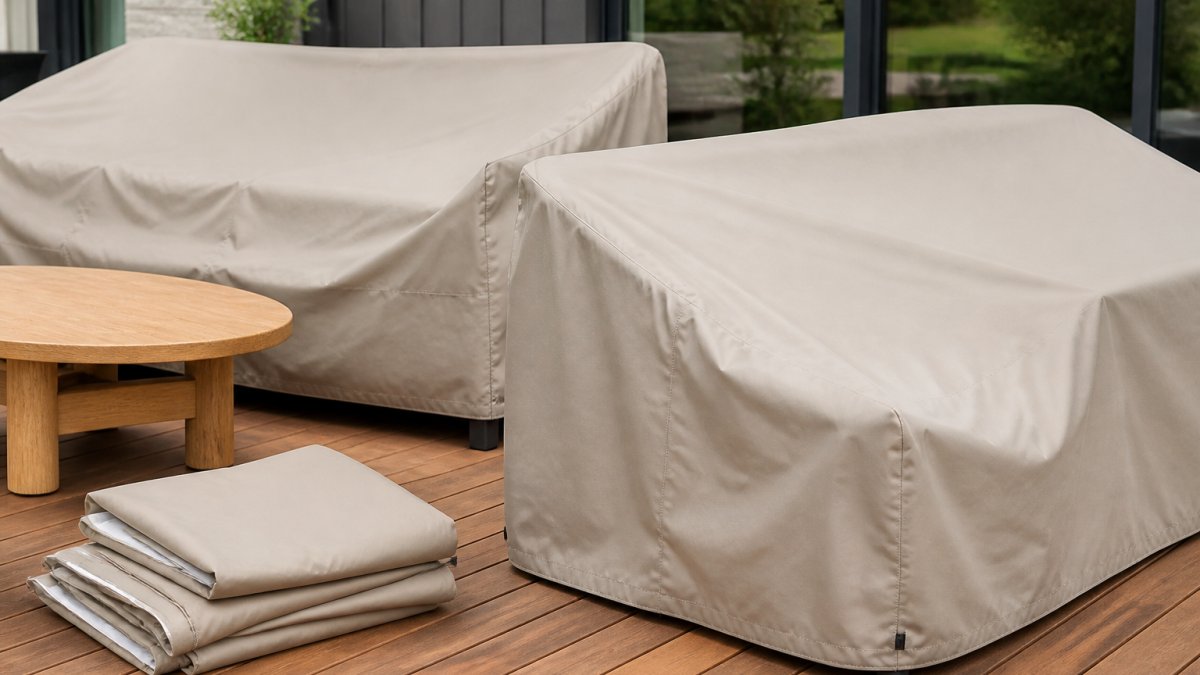
Winter storage determines whether your outdoor furniture materials survive to see another season. Even the most durable materials benefit from a consistent cold-weather routine, and the steps vary by material type.
For HDPE and aluminum furniture, a thorough cleaning before storage prevents embedded grime from causing surface discoloration. Synthetic wicker should be covered or moved under shelter, since repeated freeze-thaw cycles can make the resin fibers brittle. Teak requires no special winter treatment, though covering it prevents the darkening that occurs when moisture sits on the surface.
Choosing the Right Material for Your Climate
The decision framework comes down to identifying your primary weather threat. Coastal homeowners should prioritize salt-spray resistance, which points toward HDPE, teak, or cast aluminum. High-wind regions demand the weight and anchoring options of aluminum or cast materials. Hot, humid climates favor stainless steel and HDPE, while dry desert heat requires UV stability above all, where HDPE and synthetic wicker perform well.
A practical approach is to mix materials by function. Use a heavyweight cast aluminum or HDPE dining set for permanent placement, then add lightweight powder-coated aluminum pieces that can move under cover during storms. This layered strategy addresses both everyday durability and extreme weather events without committing every piece to the same tradeoff.
Choosing outdoor furniture materials for extreme weather means matching the material to your specific threats rather than chasing a single universal solution. At Backyard Comfort CO, we build every piece around this principle, from solid HDPE dining sets with 20-year warranties to powder-coated aluminum pergolas engineered for 72 mph winds. With free shipping on most orders within the continental U.S. and a straightforward 30-day return policy, you can invest in pieces that survive every season without the guesswork. Get started with Backyard Comfort CO and build an outdoor space that lasts.
Frequently Asked Questions
What is the most weatherproof outdoor furniture material?
HDPE lumber and powder-coated aluminum are the most weatherproof choices. HDPE is a dense polymer that resists moisture, salt spray, and UV rays without splitting, warping, or fading. Powder-coated aluminum offers similar protection with a rust-proof frame. Both handle extreme temperature swings and coastal conditions well. For a permanent structure like a pergola, reinforced aluminum with a powder-coated finish stands up to high winds and heavy snow loads while requiring minimal upkeep.
What is the best outdoor furniture for high wind areas?
For high wind areas, prioritize weight and anchoring over material alone. Powder-coated aluminum frames are lightweight, so choose pieces with a wide stance or bolt them to a deck. Wrought iron and concrete are heavy enough to resist gusts up to 70 mph without moving. HDPE furniture benefits from hollow-core construction that allows you to add sand for extra weight. A louvered pergola with reinforced steel louvers rated for 72 mph winds provides a stable anchor point for lighter pieces.
What kind of outdoor furniture can be left outside all year long?
HDPE lumber, powder-coated aluminum, and stainless steel can stay outside year-round in most climates. HDPE resists moisture, frost, and UV damage, making it ideal for snowy winters and hot summers. Powder-coated aluminum handles rain and salt spray without rusting. For teak, grade-A teak with high natural oil content survives all seasons but develops a silver patina. Use breathable covers during heavy snow or invest in storage to extend the life of any material.
Does teak wood hold up in extreme weather?
Yes, grade-A teak holds up well in extreme weather because of its dense grain and natural oils that repel moisture. It resists splitting, warping, and insect damage better than most woods. In coastal conditions, teak withstands salt spray and humidity without rotting. Over time, untreated teak fades to a silver-gray, but this does not affect structural integrity. Expect a lifespan of 25 years or more with occasional cleaning. Use a teak sealer if you prefer to keep the golden-brown color.