
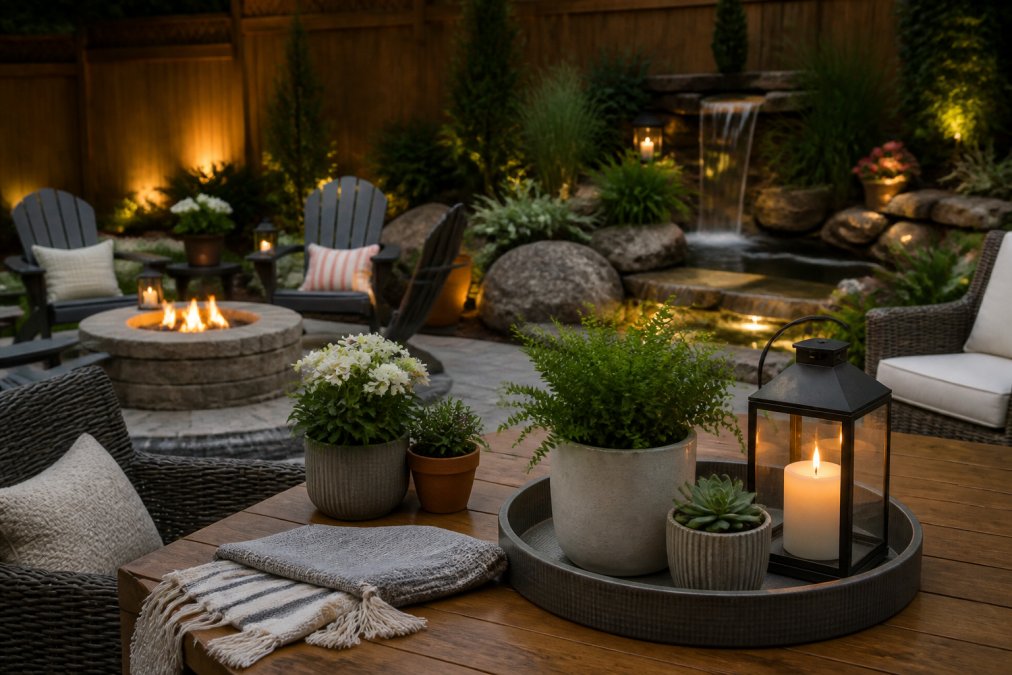
 listicle
7 Ways to Create a Backyard Oasis on a Budget
Table of Contents
- Start With a Plan: Zoning Your Backyard Oasis for Multi-Purpose Use
- 1. Build a Seating Zone That Lasts With Durable Patio Furniture Alternatives
- 2. Add Affordable Outdoor Lighting Solutions for Evening Ambiance
- 3. Create a Fire Pit Area for Year-Round Gatherings
- 4. Add a Pergola or Shade Solution for Sun and Rain Protection
- 5. Layer in Greenery, Plants, and Privacy Screens
- 6. Refresh Flooring With Pavers, Outdoor Rugs, and Softscaping
- 7. Embrace Low-Maintenance Backyard Design for Long-Term Enjoyment
- Frequently Asked Questions
Last Updated: September 23, 2026
Start With a Plan: Zoning Your Backyard Oasis for Multi-Purpose Use
Building a backyard oasis on a budget starts with zoning, not shopping. Divide your yard into distinct zones for dining, lounging, and gathering before you buy a single piece. A clear plan prevents duplicate purchases and wasted money.
Map Your Space and Set a Realistic Budget
Walk your yard at the times you actually use it. Morning coffee, afternoon shade, and evening gatherings each demand different zones. Sketch the layout on paper and note sun exposure, wind direction, and foot traffic paths.
1. Build a Seating Zone That Lasts With Durable Patio Furniture Alternatives
Durable patio furniture alternatives beat cheap sets that crack, fade, or rust within a season or two. The key is matching material to your climate, not chasing the lowest price tag.

What to Look For in Weather-Resistant Pieces
- UV-resistant PE rattan or powder-coated metal frames
- Water-resistant, quick-drying cushion fabric
- Weight capacity rated for real use, not just display
- Included covers or a clear cover-sizing guide
- Replaceable parts and a stated warranty
2. Add Affordable Outdoor Lighting Solutions for Evening Ambiance
Affordable outdoor lighting solutions transform how your yard feels after sunset for a fraction of the cost of hardwired systems. The trick is layering three types of light, ambient, task, and accent, so no single fixture has to do all the work. String lights, solar path lights, and decorative lanterns deliver the biggest visual return per dollar.
Layer Your Lighting Like a Designer
Most guides stop at "hang string lights." A better approach is to build three layers:
- Ambient layer: Overhead string lights or a dimmable lantern on a shepherd's hook set the base glow for the whole zone.
- Task layer: A focused light near the grill, dining table, or fire pit so people can actually see what they're doing.
- Accent layer: Uplights tucked into planters, solar stakes along a path, or battery candles on side tables for depth and warmth.
Renter-Friendly and Outlet-Free Power Options
This is the part most budget guides skip: what do you do when you have no exterior outlets, or your lease won't let you run permanent wiring? You have more options than you think.

- Solar string lights and solar stake lights charge all day and run at dusk with zero wiring. Look for panels rated IP65 or higher for rain resistance.
- Battery-powered LED string lights run on AA or rechargeable packs and can be hung anywhere with clips or adhesive hooks that won't damage siding or trim.
- USB-rechargeable lanterns give you tabletop light you can carry from zone to zone and top up indoors.
- Low-voltage solar pathway kits stake directly into soil and require no trenching, which matters if you rent or don't want to dig up landscaping.
Electrical Safety for Outdoor Lighting
Outdoor lighting safety comes down to three rules: use fixtures rated for outdoor use, protect every circuit with a GFCI outlet, and keep connections off the ground. The U.S. Consumer Product Safety Commission reports that electrical hazards around water remain a leading cause of outdoor injuries, and wet-rated fixtures plus GFCI protection are the standard defense.
- Only use lights and extension cords labeled for outdoor use
- Plug into GFCI-protected outlets, never a standard indoor outlet
- Keep all connections elevated and covered
- Inspect cords each season for cracking or fraying
- Match the fixture's wet rating to its exposure
- For renters: use solar or battery fixtures instead of running cords through windows or doors, which can pinch wiring and defeat the seal
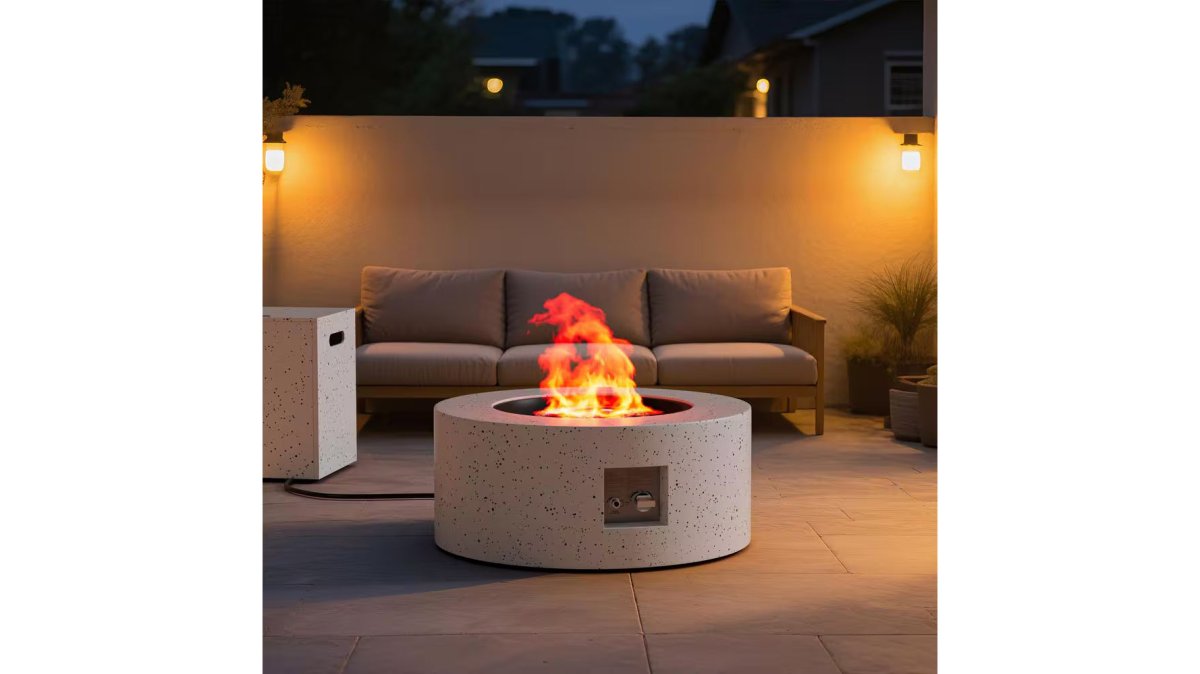
3. Create a Fire Pit Area for Year-Round Gatherings
A fire pit area extends your backyard's usable season into fall and winter. It becomes the natural gathering point that anchors every other zone in your design.
4. Add a Pergola or Shade Solution for Sun and Rain Protection
Shade is the difference between a yard you use at noon and one you avoid until evening. A pergola or retractable canopy solves sun and light rain without the cost of a full roof structure.
5. Layer in Greenery, Plants, and Privacy Screens
Greenery and privacy screens soften hard edges and block sightlines from neighbors at a fraction of the cost of fencing. Layering plants at different heights creates depth that reads as intentional design, and if you source smart, you can build most of it from free or reclaimed materials.
10 Ft. X 10 Ft. Dark Grey Aluminum →
Source Free and Reclaimed Materials First
This is the angle most budget guides mention but never detail. Before you buy a single planter or trellis, check these sources:
- Wooden pallets: Often free from hardware stores, garden centers, and small warehouses. Look for the HT (heat-treated) stamp rather than MB (methyl bromide), which is the safer choice for anything near edible plants. A single pallet breaks down into slats for a vertical planter, a trellis, or a privacy screen frame.
- Bricks and pavers: Search local marketplaces and neighborhood groups for leftover project materials. A stack of reclaimed bricks makes a raised planter bed or a low garden wall at no cost.
- Stones and gravel: Landscaping crews and construction sites sometimes give away fill dirt, gravel, or fieldstone if you haul it yourself.
- Cuttings and divisions: Many perennials, herbs, and succulents propagate from cuttings. Neighbors, community gardens, and plant swaps are common sources for free starts.
Build a Layered Privacy Screen
Start with tall potted plants or climbing vines on a trellis to form a living privacy screen. Add mid-height planters along zone borders, then fill gaps with low pots of herbs or succulents. Vertical gardening on a wall or fence adds greenery without eating floor space. Weather-resistant plant stands protect pots from rot and make rearranging easy.
- Tall grasses or bamboo for quick height and screening
- Climbing vines on a trellis for a living wall
- Potted herbs near the grill or fire pit for easy access
- Succulents in low bowls for low-water color
- Plant stands to lift pots off wet ground
- Reclaimed pallet slats for a DIY vertical planter or screen frame
Keep It Alive Without Constant Work
Group plants with similar water and light needs so one routine covers them. Mulch the top of each pot to slow evaporation, and choose drought-tolerant varieties for the sunniest spots. A drip line on a timer can help keep a layered screen looking full through a hot summer.
6. Refresh Flooring With Pavers, Outdoor Rugs, and Softscaping
Flooring changes how a space feels underfoot and defines each zone without walls. Pavers, outdoor rugs, and softscaping work together to separate the dining area from the lounge area.
7. Embrace Low-Maintenance Backyard Design for Long-Term Enjoyment
Low-maintenance backyard design means fewer weekends spent on upkeep and more time actually using the space. The goal is a yard that looks good with minimal effort, not one that demands constant attention.
Protect Your Investment With Covers and Routine Care
Covers and routine care extend the life of every piece you buy. A quality cover keeps water, UV rays, and debris off furniture through the off-season.
| Task | Frequency | Why It Matters |
|---|---|---|
| Hose down covers | Monthly | Prevents mildew and staining |
| Inspect frame bolts | Start of season | Catches loose joints before failure |
| Clean cushions | Every 4-6 weeks | Stops dirt from breaking down fabric |
| Store cushions indoors | Off-season | Extends cushion life by years |
| Check GFCI outlets | Before each season | Confirms lighting safety |
Frequently Asked Questions
How can I make my backyard look like a luxury oasis on a budget?
Focus on a few high-impact changes instead of many small ones. Group seating into a defined conversational area, add ambient lighting like string lights or decorative lanterns, and layer in weather-resistant textiles such as outdoor rugs and cushions. A single well-chosen piece, like a durable pergola or fire pit table, anchors the whole space and makes it feel intentional rather than pieced together.
What are the most cost-effective ways to add privacy to a backyard?
Privacy screens, tall potted plants, and vertical gardening are the most budget-friendly options. A simple lattice or fabric screen costs far less than a full fence and installs in an afternoon. Climbing plants on a trellis add natural coverage over time. If you already have a fence, adding plant stands with tall grasses or bamboo in containers fills gaps without a major build.
How do I choose durable outdoor furniture that fits a budget?
Look for UV-resistant materials, rust-proof frames, and water-resistant cushions. PE rattan over a steel frame holds up well to sun and rain, and a set that includes ottomans and a coffee table gives you more function per dollar. Check the weight capacity and warranty before buying. A 5-piece wicker set with a 300 lb chair capacity is a solid starting point for most families.
How can lighting transform a small backyard space?
Lighting changes how a space feels after dark and can make a small yard feel larger by drawing the eye outward. String lights overhead create a ceiling effect, while decorative lanterns and path lights define zones. For pergolas and covered areas, a wet-rated ceiling fan with a remote adds both airflow and light control. Keep cords and connections rated for outdoor use and ground any permanent fixtures properly.
What are the best low-maintenance plants for a backyard retreat?
Ornamental grasses, succulents, and native perennials need little water once established. In containers, use drought-tolerant varieties that suit your climate. Vertical gardening with wall-mounted planters keeps floor space open and makes watering easier. If you want greenery without constant upkeep, mix a few larger statement plants with smaller potted accents on plant stands.